2300 Freeport Rd, New Kensington, PA 15068


What To Do If A Root Canal Gets Infected?
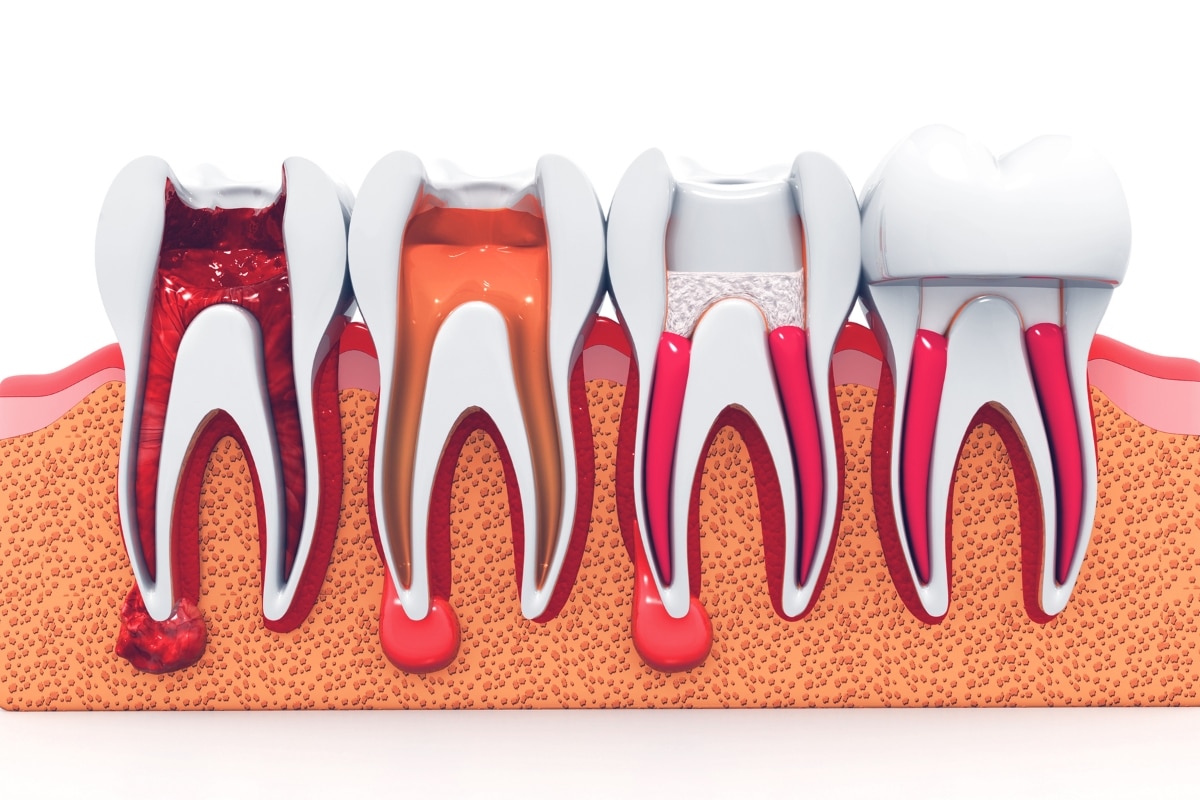
A root canal procedure can save a tooth that has become infected or damaged. However, there are times when complications arise, and a root canal gets infected. If this happens, it’s essential to know the steps you should take. This blog will guide you through the signs of an infection, what to do next, and how root canal treatment can help you recover.
Recognizing the Signs of Infection
When a root canal gets infected, your body will signal distress. Here are common signs you may experience:
- Persistent Pain: You might feel a dull ache or sharp pain in the treated tooth or surrounding area.
- Swelling: Look for swelling in your gums or face near the affected tooth.
- Sensitivity: Increased sensitivity to hot or cold may occur, even after the treatment.
- Discoloration: The tooth may become darker or discolored over time.
- Bad Breath or Taste: An infection can lead to a foul taste or bad breath that won’t go away.
If you notice any of these symptoms, don’t ignore them. Timely action can prevent further complications.
Contact Your Dentist Immediately
If you suspect that your root canal has become infected, reach out to your dentist right away. They will likely perform a thorough examination and may take X-rays to assess the situation. Here’s what to expect during your visit:
- Assessment: The dentist will evaluate the infected area to determine the extent of the infection.
- Treatment Options: Depending on the severity, your dentist may suggest different treatment options, including:
- Antibiotics: Prescribing antibiotics to help eliminate the infection.
- Retreatment: Performing a retreatment procedure to clean out the infected area.
- Extraction: In some severe cases, extracting the tooth may be necessary.
Getting treatment promptly can save your teeth and prevent more serious issues.
Follow Your Dentist’s Recommendations
Once your dentist has diagnosed the infection, it’s crucial to follow their instructions carefully. Here are some steps you may need to take:
- Take Prescribed Medications: Finish your course of antibiotics or pain relievers as directed.
- Maintain Oral Hygiene: Keep your mouth clean by brushing and flossing regularly. Be gentle around the infected area.
- Avoid Hard Foods: Stick to soft foods until your dentist gives you the all-clear.
- Attend Follow-Up Appointments: Make sure to attend any scheduled follow-ups. These visits are essential to monitor your recovery.
Following your dentist’s guidance can significantly improve your healing process.
What to Expect During Retreatment?
If your dentist recommends retreatment for an infected root canal, it’s essential to know what to expect. This procedure usually involves:
- Local Anesthesia: Your dentist will numb the area to minimize discomfort.
- Accessing the Tooth: The dentist will reopen the tooth to reach the root canals.
- Cleaning and Disinfecting: They will clean out any infected tissue and disinfect the canals.
- Sealing the Tooth: Once cleaned, the dentist will seal the tooth to protect it from further infection.
Retreatment can be highly effective in resolving an infection and restoring your tooth’s health.
Consider Root Canal Treatment
If you experience complications with a root canal, consider seeking professional help for effective treatment. Root canal treatment in New Kensington offers dental professionals who can assist you with your dental health. Here’s why you might want to choose this option:
- Advanced Techniques: Many dental offices use modern techniques and technologies to ensure a comfortable experience.
- Personalized Care: Dentists provide tailored treatment plans based on your specific needs.
- Preventative Advice: They can offer guidance on preventing future infections and maintaining oral health.
Investing in quality dental care can lead to long-lasting results.
Maintaining Oral Health After Treatment
Once you’ve addressed an infected root canal, maintaining good oral hygiene is crucial to prevent future issues. Here are some tips to keep your teeth and gums healthy:
- Brush Twice Daily: Use fluoride toothpaste and brush for at least two minutes.
- Floss Daily: Flossing helps remove plaque and food particles between teeth.
- Regular Check-Ups: Schedule regular dental check-ups every six months for professional cleanings and evaluations.
- Stay Hydrated: Drinking plenty of water helps wash away food particles and bacteria.
By taking these steps, you can help ensure your teeth stay healthy and avoid future infections.
Knowing what to do when a root canal gets infected can make a significant difference. Recognize the signs, contact your dentist promptly, and follow their recommendations. Remember that effective root canal treatment in New Kensington is available to help you through the process. With the right care, you can restore your oral health and enjoy a pain-free smile once again.