2300 Freeport Rd, New Kensington, PA 15068


Veneers vs. Bonding in New Kensington, PA
If you want a better smile, two treatments come up often: veneers and dental bonding. Many patients in New Kensington ask the same question — veneers vs. bonding: which smile fix actually lasts? Both options can transform your teeth. But they work differently, cost differently, and suit different situations. Understanding the key differences helps you make a confident, informed choice.
At Pearl Dentistry New Kensington, Dr. Ian Larson helps patients explore all their Cosmetic Dentistry options. This guide breaks down both treatments honestly and clearly.
What Are Veneers and How Do They Work?
Veneers are thin shells made from porcelain or composite resin. A dentist bonds them to the front surface of your teeth. They cover chips, cracks, stains, gaps, and minor alignment issues. The result looks natural and feels very durable.
Porcelain veneers are the most popular option. They resist staining better than natural enamel. Most porcelain veneers last between 10 and 20 years with proper care. Composite veneers cost less but typically last 5 to 7 years.
Getting veneers usually requires two or more appointments. The dentist removes a thin layer of enamel from the tooth surface. This step is permanent and cannot be reversed. A dental lab then creates custom-fitted veneers matched to your smile.
What Is Dental Bonding and How Does It Compare?
Dental bonding uses a tooth-colored composite resin material. The dentist applies it directly to the tooth surface. They sculpt and shape it by hand, then harden it with a special light. The entire process usually takes one appointment.
Bonding works well for small chips, minor gaps, and surface discoloration. It requires little to no enamel removal. That makes it a much less invasive procedure than veneers. Many patients appreciate how quick and comfortable the process feels.
Bonding typically lasts 3 to 7 years before it needs touch-ups or replacement. It can chip or stain more easily than porcelain. However, repairs are simple and affordable when needed. Bonding is a great starting point for patients unsure about committing to veneers.
Veneers vs. Bonding: Comparing Cost, Longevity, and Results
Cost is one of the biggest differences between these two treatments. Dental bonding generally costs significantly less per tooth than porcelain veneers. However, bonding may need replacement sooner, adding up over time. Veneers cost more upfront but often prove more cost-effective long-term.
Here is a quick side-by-side comparison to help you decide:
- Longevity: Veneers last 10–20 years; bonding lasts 3–7 years
- Invasiveness: Veneers require enamel removal; bonding usually does not
- Cost per tooth: Bonding is more affordable upfront; veneers cost more initially
- Stain resistance: Porcelain veneers resist stains better than bonding resin
- Repair ease: Bonding is easier to repair; veneer repairs are more complex
- Appearance: Both look natural; porcelain often appears more lifelike long-term
- Treatment time: Bonding takes one visit; veneers typically need two or more
Results-wise, veneers tend to deliver a more dramatic and polished outcome. Bonding suits patients with minor cosmetic concerns. Dr. Ian Larson evaluates each patient’s unique situation before recommending either option.
Which Option Is Right for You in New Kensington?
Choosing between veneers and bonding depends on several personal factors. Your budget, timeline, and specific dental concerns all play a role. So does the current condition of your teeth and enamel. Dr. Larson considers all of these during your consultation.
Consider dental bonding if you:
- Want a fast, single-visit solution
- Have minor chips, small gaps, or light staining
- Prefer a reversible or low-commitment option
- Are working with a tighter budget right now
Consider veneers if you:
- Want long-lasting, dramatic smile transformation
- Have multiple cosmetic concerns to address at once
- Want strong stain resistance over many years
- Are ready to invest in a permanent smile upgrade
Some patients start with bonding and later transition to veneers. Others choose veneers immediately for the best long-term value. There is no single right answer — only the best answer for your smile goals.
It is also worth noting that good oral health is the foundation of any cosmetic treatment. If you have gum disease or decay, those issues must be addressed first. Dr. Larson will review your full oral health before recommending any cosmetic work.
What to Expect at Pearl Dentistry New Kensington
When you visit Pearl Dentistry New Kensington, Dr. Ian Larson starts with a thorough exam. He reviews your teeth, gum health, and bite before discussing cosmetic options. He explains every step in plain language so you feel confident in your decision. No pressure — just honest, patient-centered guidance.
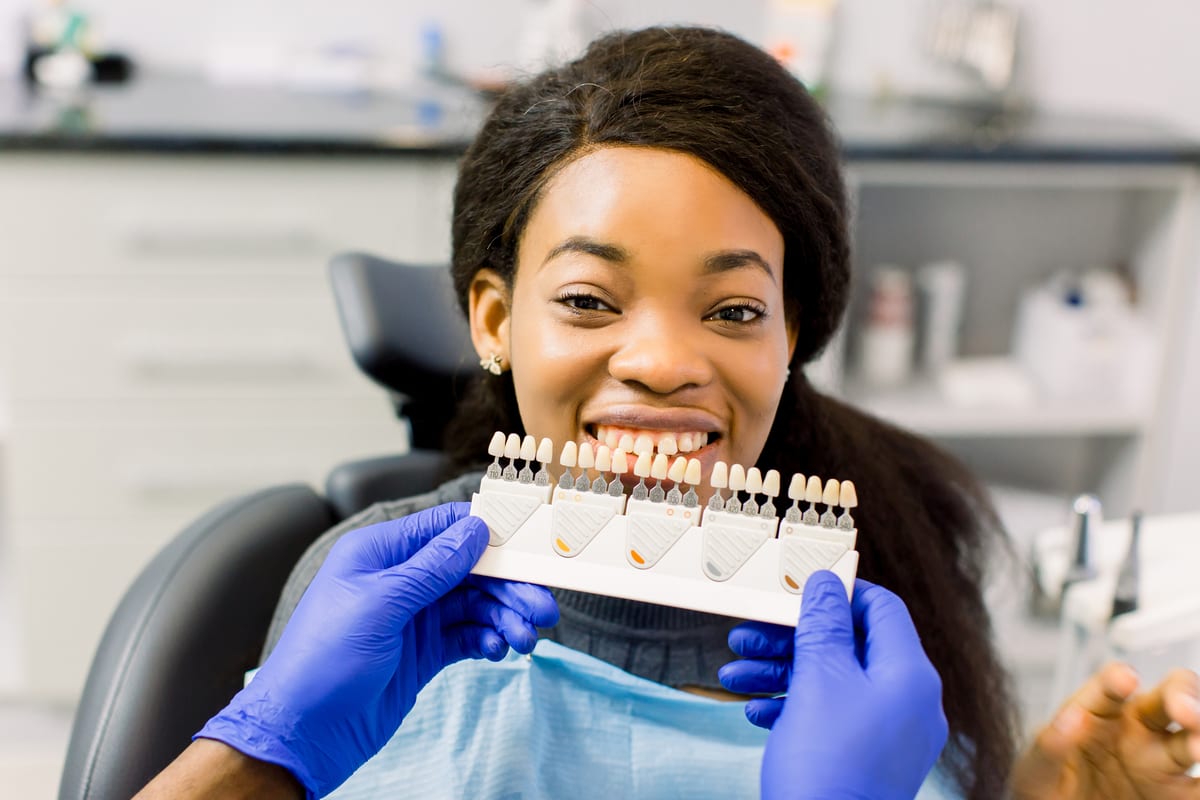
During your consultation, Dr. Larson may show you digital previews of your potential results. This helps you visualize what veneers or bonding would look like on your smile. You will also receive a clear breakdown of what each option involves. That transparency makes all the difference.
Pearl Dentistry also handles general dental care needs alongside cosmetic treatments. If a dental emergency ever arises, our team provides Emergency Dentistry services to help you quickly. We want to be your full-service dental home in New Kensington, PA.
Conclusion: Make the Choice That Fits Your Smile
Both veneers and dental bonding can give you a smile you love. Bonding offers speed, affordability, and flexibility. Veneers offer durability, stain resistance, and long-term results. The right choice depends on your goals, your budget, and your dental health.
Dr. Ian Larson and the Pearl Dentistry New Kensington team are here to guide you through every step. You deserve honest advice and a smile that lasts. Book Now to schedule your appointment with our team.
Frequently Asked Questions
How long do veneers last compared to dental bonding?
Porcelain veneers typically last 10 to 20 years with proper care. Dental bonding usually lasts 3 to 7 years before it needs touch-ups or replacement. Veneers offer better long-term durability, especially for stain resistance.
Is dental bonding reversible?
Yes, dental bonding is considered a reversible treatment in most cases. It requires little to no removal of natural enamel. Veneers, on the other hand, require permanent enamel reduction and cannot be undone.
Can I get bonding and later upgrade to veneers?
Yes, many patients start with bonding and later choose veneers. Bonding is a great low-commitment option for those exploring cosmetic dentistry. Dr. Ian Larson can help you plan a long-term smile strategy that fits your timeline and budget.
Does dental bonding stain easily?
Composite resin used in bonding can absorb stains from coffee, tea, and red wine over time. Porcelain veneers resist staining much better because of their glass-like surface. Regular cleanings and mindful habits help extend the life of bonding.
How do I know which treatment is right for me?
The best way to decide is with a professional consultation. Dr. Ian Larson at Pearl Dentistry New Kensington evaluates your teeth, goals, and oral health before making a recommendation. Every smile is unique, and your treatment plan should be too.