2300 Freeport Rd, New Kensington, PA 15068


Veneers in New Kensington, PA
If you’ve been thinking about veneers, you probably have questions. What does the process actually involve? How many visits will you need? Will it hurt? Understanding your veneer transformation — what happens from chair to smile in New Kensington — removes the guesswork entirely. At Pearl Dentistry New Kensington, Dr. Ian Larson walks every patient through each step with honesty and care. This article breaks down exactly what to expect, from your first consultation to your final bonding appointment.
Step One: Your Veneer Consultation in New Kensington
Your journey begins with a thorough consultation. Dr. Larson will examine your teeth, gums, and bite before recommending veneers. This step matters because veneers aren’t the right fit for everyone. Patients with active gum disease or significant decay need treatment first.
During the consultation, you’ll discuss your smile goals openly. Do you want to close gaps? Correct discoloration? Reshape uneven teeth? Dr. Larson listens carefully to understand exactly what you’re hoping to achieve. This conversation shapes your entire treatment plan.
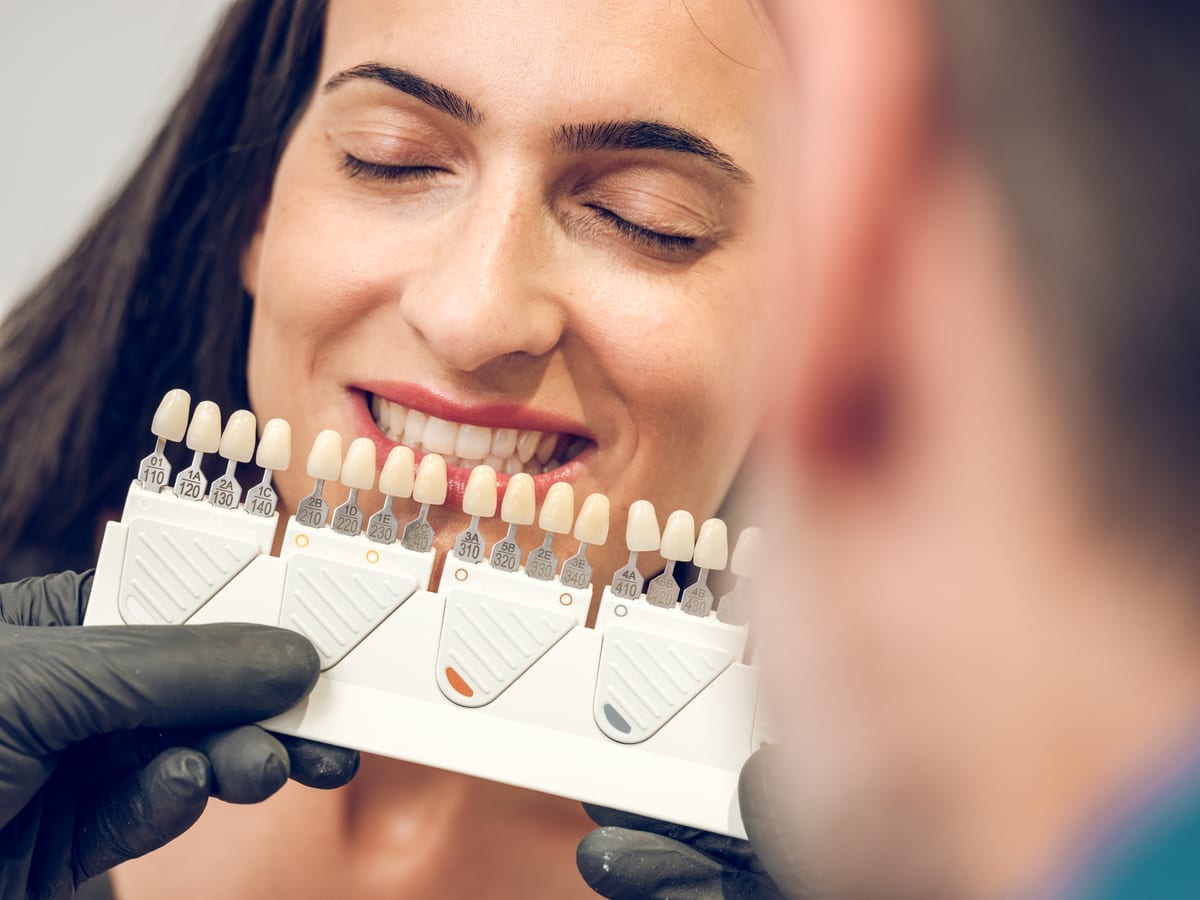
You’ll also review shade options during this visit. Choosing the right color is more nuanced than it sounds. Dr. Larson uses shade guides to match your veneers to your natural teeth or to achieve a brighter look — whichever you prefer. The goal is always a result that looks natural and feels like you.
Enamel Preparation: What You Need to Know
Once you decide to move forward, your next appointment involves preparing your teeth. Dr. Larson removes a thin layer of enamel from the front surface of each tooth receiving a veneer. This step is permanent and necessary for a proper fit.
Most patients feel minimal discomfort during this process. Local anesthesia keeps the area numb and comfortable. The amount of enamel removed is typically less than one millimeter. That small reduction allows the veneer to sit flush with surrounding teeth.
After preparation, Dr. Larson takes precise impressions of your teeth. These impressions go to a dental laboratory where skilled technicians craft your custom veneers. Accuracy at this stage determines how well your final restorations fit and function.
- Enamel removal is minimal — usually under one millimeter
- Local anesthesia keeps the process comfortable
- Impressions ensure a precise, custom fit
- The process is permanent, so careful planning matters
The Temporary Veneer Phase: Protecting Your Smile
After enamel removal, your teeth need protection while the lab crafts your permanent veneers. Dr. Larson places temporary veneers to cover your prepared teeth. These temporaries are not your final result — they simply shield your teeth during the waiting period.
Temporaries may feel slightly different from your natural teeth. They can be more sensitive to hot and cold temperatures. Avoid biting into hard foods or sticky candies while wearing them. Treat them gently and they’ll serve their purpose well.
The lab phase typically takes one to two weeks. During this time, you can get a preview of your new smile’s general shape. If something feels off, communicate that to Dr. Larson before your final placement appointment. Small adjustments are far easier to make at this stage.
Shade Selection: Choosing the Right Color for Your Smile Transformation
Shade selection is one of the most personal parts of your veneer transformation. Many patients want a noticeably brighter smile. Others prefer a shade close to their natural tooth color. Neither choice is wrong — it depends entirely on your goals.
Dr. Larson uses the VITA shade guide, an industry-standard tool, during your consultation. He also considers your skin tone, eye color, and overall facial features. A shade that looks natural on one person may appear too stark on another. Personalized guidance prevents regret later.
One helpful tip: if you plan to whiten your remaining teeth, do it before getting veneers. Veneers don’t respond to whitening treatments once they’re bonded. Whitening first ensures your natural teeth match your new veneers seamlessly. Dr. Larson will advise you on the best sequence for your specific situation.
- Use the VITA shade guide for consistent, professional color matching
- Consider skin tone and facial features when choosing a shade
- Whiten natural teeth before veneer placement for a uniform result
- Communicate your expectations clearly during shade selection
- Your preferences always guide the final decision
Final Bonding: The Last Step in Your Veneer Transformation
When your permanent veneers arrive from the lab, it’s time for the final bonding appointment. Dr. Larson removes your temporaries and cleans your prepared teeth thoroughly. He then places each veneer against your tooth for a trial fit before permanently bonding it.
This trial placement is important. Dr. Larson checks the fit, bite, and appearance before committing to the final bond. Minor adjustments happen at this stage if needed. Your input matters here — speak up if anything looks or feels wrong.
Once you’re both satisfied, Dr. Larson applies a special bonding cement and uses a curing light to harden it. The veneers bond firmly to your enamel. After a final polish, you’re ready to see your new smile for the first time. Most patients leave this appointment feeling an immediate difference.
Veneers are a popular part of Cosmetic Dentistry because they deliver dramatic, lasting results. With proper care, porcelain veneers can last ten to fifteen years or longer. Brushing, flossing, and regular cleanings protect your investment over time.
Caring for Your Veneers After Placement
Good aftercare extends the life of your veneers significantly. Brush twice daily with a non-abrasive toothpaste. Floss carefully around each veneer to protect the gum line. Schedule regular cleanings at Pearl Dentistry New Kensington to keep everything healthy.
Avoid biting into very hard foods like ice, hard candies, or pen caps. These habits can chip or crack your veneers over time. If you grind your teeth at night, ask Dr. Larson about a custom night guard. Grinding puts excessive pressure on veneers and shortens their lifespan.
Veneers don’t require any special products or complicated routines. Your regular oral hygiene habits are enough when done consistently. Think of them as a long-term investment in your confidence and oral health. A little daily care goes a long way.
Ready to start your veneer transformation in New Kensington? Dr. Ian Larson and the Pearl Dentistry New Kensington team are here to guide you every step of the way. Whether you have questions about enamel preparation or shade selection, we’ll make sure you feel informed and confident before moving forward. Book Now to schedule your appointment with our team.
Frequently Asked Questions
How many appointments does the veneer process take?
Most patients complete the veneer process in two to three appointments. The first is a consultation, the second involves enamel preparation and impressions, and the third is the final bonding visit. Some cases may require an additional check-in appointment depending on complexity.
Does getting veneers hurt?
Discomfort during the process is minimal for most patients. Dr. Larson uses local anesthesia during enamel preparation to keep you comfortable. Some sensitivity is normal in the days following preparation, but it typically resolves before your final bonding appointment.
Can veneers be whitened after they’re placed?
No — porcelain veneers do not respond to traditional whitening treatments. The shade you choose during your consultation is permanent. This is why Dr. Larson recommends whitening your natural teeth before veneer placement if a brighter overall smile is your goal.
How long do veneers last?
With proper care, porcelain veneers typically last ten to fifteen years or longer. Regular dental cleanings, good home hygiene habits, and avoiding hard foods all help extend their lifespan. Wearing a night guard if you grind your teeth also protects your veneers from premature wear.
Are veneers right for everyone?
Veneers are not suitable for every patient. People with active gum disease, significant tooth decay, or very little remaining enamel may need alternative treatments first. Dr. Larson evaluates each patient individually during the consultation to determine whether veneers are the best option for their specific smile goals.