2300 Freeport Rd, New Kensington, PA 15068


Signs You May Need a Dental Filling: A Guide for New Kensington Residents
A dental filling is one of the most common treatments to restore a tooth damaged by decay. While cavities may seem minor, they can grow and cause more severe problems if left untreated. Many rely on their trusted dental team to help identify the signs that they may need a dental filling. Knowing these signs early can save you from larger dental procedures later on. So, how do you know when to see your dentist for a dental filling? Read on to discover the key warning signs to watch for.
1. Tooth Sensitivity That Won’t Go Away
If you experience sudden or sharp sensitivity when eating hot, cold, or sweet foods, it may be a sign that a cavity has formed. The sensitivity could be caused by the nerve inside the tooth’s exposure to the elements. It’s not just a temporary discomfort. If this sensitivity worsens, a dental filling may be needed to restore your tooth’s surface.
2. Visible Holes or Cracks in Your Teeth
One of the most obvious signs that a filling is required is the presence of visible holes or cracks in your teeth. Over time, untreated cavities can break down the enamel, forming holes in the tooth. If you spot any dark spots or cracks while brushing or flossing, it’s time to schedule an appointment with your dentist.
3. Pain While Chewing or Biting Down
Pain while chewing or biting down can clearly indicate something is wrong with your tooth. A cavity may have formed deep enough to affect the tooth’s structure, making chewing difficult or painful. This may indicate that the damage has reached a point where a dental filling is needed to restore the tooth’s functionality.
4. Staining on Your Teeth
Teeth stains are not always caused by coffee or other staining foods. If you notice that your teeth have unusual stains, especially ones that seem to be getting darker, a cavity could be to blame. Staining can occur when decay forms under the tooth’s surface, leading to discoloration that regular brushing won’t remove.
5. A Constant Bad Taste or Odor
If you’ve noticed a persistent bad taste or bad breath, even after brushing, it may be due to a cavity. Bacteria can gather in cavities, leading to an unpleasant smell. This odor is often an early indicator that the tooth has been damaged by decay and could require a dental filling to keep it from progressing.
6. Toothaches That Come and Go
Occasional toothaches are normal, but consistent pain that comes and goes should not be ignored. If the discomfort lingers, it may indicate deeper tooth decay. As cavities progress, they can cause pain that intensifies over time. Seeing your dentist as soon as possible for a dental filling can help prevent the pain from worsening.
7. Floss or Food Gets Stuck in Your Teeth
When a cavity is present, your tooth’s structure changes, leading to gaps where food can become trapped. If you notice food getting stuck in one area of your teeth more than usual, a filling might be needed. A dentist can assess the area to see if the decay has created a cavity that needs to be sealed with a filling.
What Happens During a Dental Filling Procedure?
The process is relatively quick and straightforward if your dentist determines you need a dental filling. Here’s what to expect:
- Initial consultation: Your dentist will examine the tooth and take X-rays if necessary.
- Cleaning the cavity: The decayed portion of the tooth is removed to prevent further damage.
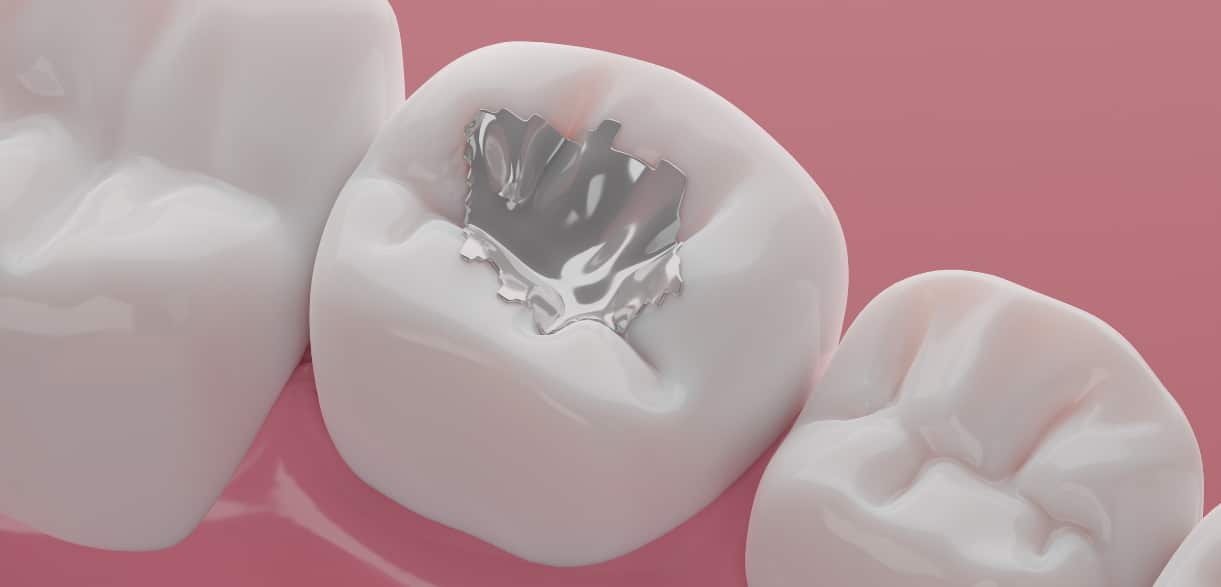
- Filling the cavity: The cavity is filled with a dental material like composite resin, amalgam, or porcelain.
- Final adjustments: The dentist will shape the filling and check the bite to ensure comfort.
Dental fillings restore the tooth’s natural function and prevent further decay from affecting the tooth structure.
How to Prevent Cavities and the Need for Dental Fillings
Preventing the need for a dental filling starts with good oral hygiene. Here are a few ways to help keep your teeth healthy and cavity-free:
- Brush twice a day with fluoride toothpaste.
- Floss daily to remove food particles and plaque from between your teeth.
- Visit your dentist regularly for checkups and professional cleanings.
- Avoid sugary foods and drinks that promote tooth decay.
Recognizing the signs of a dental filling early can help protect your teeth and prevent more serious dental issues. If you’re experiencing any of the signs mentioned above, scheduling a visit with your trusted dentist in New Kensington as soon as possible is essential. Don’t wait for the problem to worsen—acting early can save you time, discomfort, and potential future treatments.