2300 Freeport Rd, New Kensington, PA 15068


5 Most Common Questions About Root Canal Pain and Recovery New Kensington People Ask
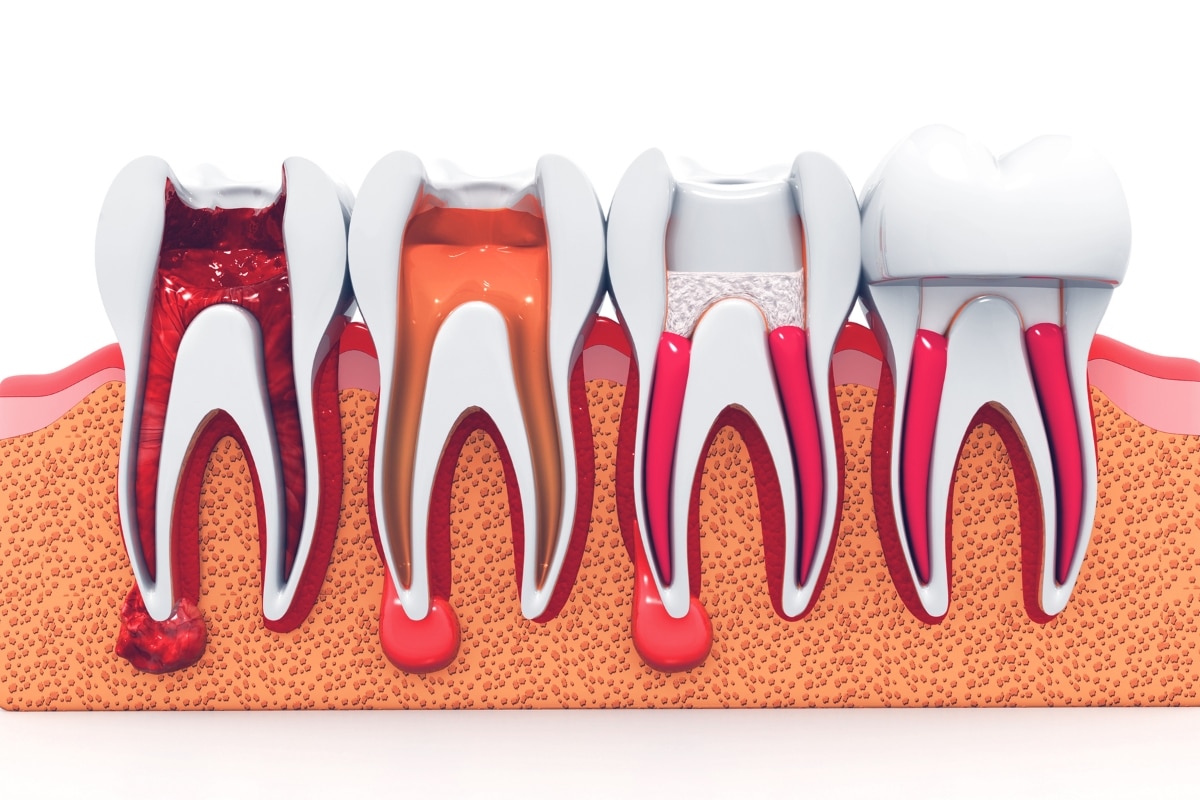
Although seemingly daunting, a root canal is actually one of the most routine dental treatments performed today. Despite its notorious reputation, root canal therapy saves teeth and actually provides pain relief that can last for years.
Many residents in New Kensington have questions about the process, especially surrounding pain and recovery. If you’ve ever wondered what to expect, you are not alone.
Here are five of the most frequently asked questions New Kensington residents have about root canal pain and recovery, answered with clarity and expert insight.
5 Common Questions About Root Canal Therapy New Kensington People Ask
1. Does a Root Canal Hurt?
Probably the most common fear associated with root canal therapy is the fear of pain. Modern techniques and anesthesia mean that the actual treatment is often painless, though it’s natural to be concerned about discomfort.
With the use of local anesthesia, there is little to no pain during the procedure. The notion that root canals are painful often comes from the infection that makes the root canal need to be painful. That is usually the source of discomfort before the procedure.
In New Kensington, dental practices employ advanced technology such as rotary endodontics that can help speed up the procedure and minimize any discomfort. Advanced tools and sedation options can make it easy for one to undergo root canal therapy in New Kensington.
2. How long does pain last after a root canal?
Some discomfort after the procedure is normal, but it is generally mild and brief. Patients often have discomfort for a few days following the treatment until their body heals. Pain following a root canal is usually much less severe than the initial pain that necessitated the procedure. Any residual soreness may be treated with over-the-counter medication such as ibuprofen or acetaminophen.
In order to alleviate discomfort and quicken the healing process, icing the area for the first 24 hours can reduce swelling. Most patients can return to normal activities within a few days, though rest is always encouraged.
3. What are the symptoms of infection following a root canal?
Infections after a root canal are very uncommon; yet, they do occur. If there is an infection, one could feel continued pain, swelling, or even fever. It could also be a new or increased sensitivity to touch, pressure, or temperature. Sometimes, a pimple-like bump may form on the gum near the tooth that was treated.
If you observe these signs, consult with a New Kensington dentist as soon as possible. Such timely treatment will help avoid aggravation of the infection and ensure recovery without complications. Always take the dentist’s advice seriously and check up regularly for your healing.
4. How Can I Accelerate Recovery Following a Root Canal?
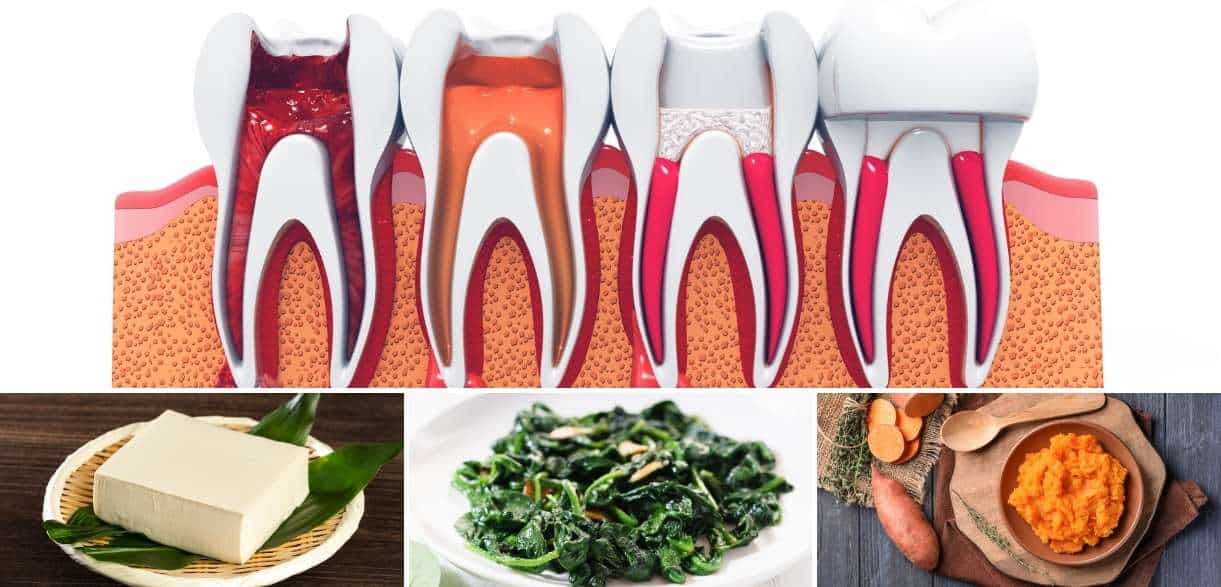
Recovery following root canal therapy in New Kensington is usually smooth, but a few tips can help accelerate the recovery process. For instance, avoid chewing from the treated side for the next few days to give the tooth an opportunity to heal. In addition, make sure to limit your diet to soft foods like soup, yogurt, or mashed potatoes until discomfort is reduced.
Good oral hygiene will, of course, be important during the healing process. Regularly brush and floss, but do so very gently around the area of treatment. Saltwater rinses can also help decrease swelling and discomfort.
5. Is It Normal to Feel Sensitivity After a Root Canal?
Yes, some sensitivity is normal after root canal therapy and can be especially evident in the first few days following the procedure. This sensitivity, especially to hot and cold, is a temporary side effect of the healing process. As your tooth heals, this sensitivity should gradually decrease.
If it does not go away in a few days or lingers more than it should, then you have to consult with your dentist, who can determine if anything is seriously wrong. Meanwhile, some sensitivity may be eased by avoiding hot and cold foods and drinks, and with the use of toothpaste designed for sensitive teeth.
Root canal therapy is a safe, effective procedure intended to save teeth and alleviate pain. Any discomfort following the procedure is generally temporary and manageable. Once again, recovering well from root canal therapy would depend on your dentist’s after-care instructions.
If you’re in New Kensington and you have any questions about root canals, don’t hesitate to schedule an appointment with our dental office for personalized advice and care. A healthy, pain-free smile is in reach!