2300 Freeport Rd, New Kensington, PA 15068


Porcelain vs. Composite Veneers: A Clinical Breakdown of Which Material is Best for Your Specific Dental Goals
Among all dental solutions, veneers are the most popular among patients seeking a whiter, more uniform smile. Whether your teeth are chipped, severely stained, or uneven, a veneer could significantly improve their appearance. The two main types of veneers include porcelain and composite; each offers distinct advantages. However, understanding the differences between them is key to selecting the right one for your dental goals.
A cosmetic dentist will guide you through selecting the best material for your veneers. Depending on factors such as durability, appearance, and cost, one material may be more suitable than the other for your needs. This blog will break down the key differences between porcelain and composite veneers, showing how each option best meets your needs.
What Are Dental Veneers?
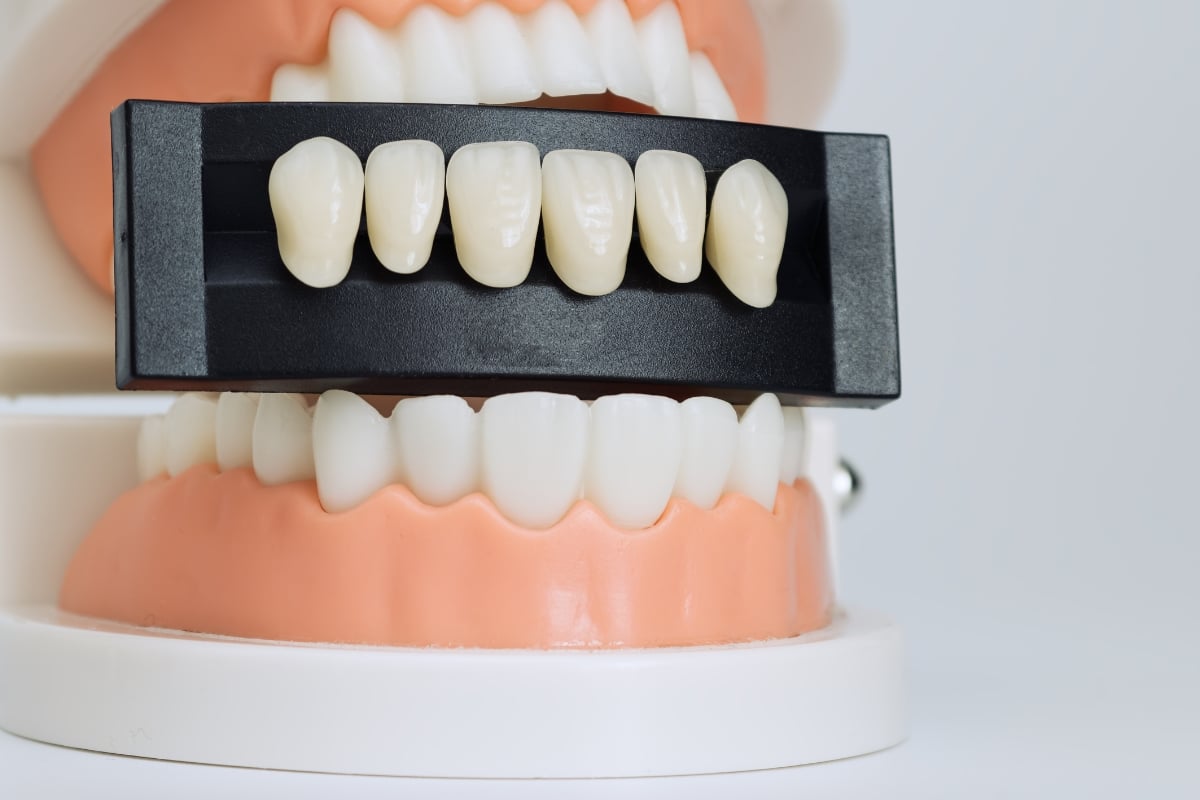
Before delving into the details regarding porcelain and composite veneers, it is essential to understand what veneers are and how they work. Veneers are thin, custom-made shells placed on the front of your teeth to improve their appearance. They cover imperfections such as yellowing or brown stains, cracks, gaps, or chips.
Porcelain Veneers
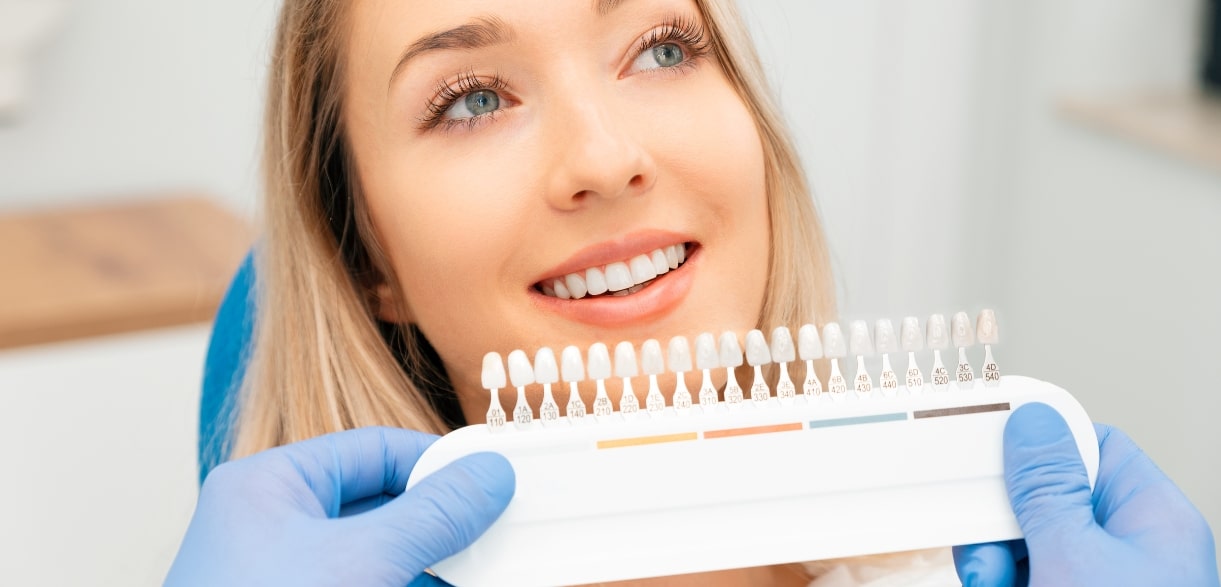
Porcelain veneers are often chosen for their natural appearance. A thin layer of porcelain makes up the veneers, which are usually light-reflective, like natural tooth enamel; hence, they are ideal for creating a radiant, living smile. They are also very resistant to stains, making them suitable for coffee and tea lovers and for people who use substances that can stain teeth.
- Durability: Among all dental veneers in New Kensington, PA, porcelain veneers are the most long-lasting cosmetic dental solutions. With proper care, they can last 10-15 years or even longer.
- Aesthetic: The material’s natural translucency provides a highly natural look, making it a top choice for anyone seeking a realistic, attractive smile.
- Stain Resistance: Porcelain does not absorb any stains, so your veneers will appear bright and white for years.
- Customization: Porcelain veneers are custom-designed to fit each patient’s unique smile, thus providing a perfect match with the surrounding teeth.
- Invasiveness: Porcelain veneers involve removing a portion of tooth enamel, making them more invasive.
Composite Veneers
Composite veneers are made from tooth-colored resin and have gained popularity as a substitute for porcelain veneers. They can be placed in a single visit and require less enamel removal. This makes them a preferred choice for those seeking a faster, less invasive procedure.
- Rapid Application: As it is applied to the tooth immediately and shaped at that moment, its application is relatively fast.
- Repairable: If the composite veneer chips or breaks, it can be repaired rather than replaced.
- Aesthetic: Composite veneers are quite durable but lack the translucency and glass-like appearance that can be more natural in porcelain.
- Stain Resistance: Composite veneers will stain more than porcelain veneers over time.
Deciding Between Porcelain and Composite Veneers
It is up to you to weigh your options between porcelain veneers and composite veneers based mainly on your preferences. If you desire something durable that lasts longer and a natural-looking effect that stains easily, then the choice is to opt for porcelain veneers. But if you want something less expensive that can be repaired soon after, the second option is best.
Dental Veneers in New Kensington, PA, are an excellent option for anyone looking to enhance their smile. With the guidance of a professional cosmetic dentist, you can choose the material that fits your lifestyle and goals.
How Long Do Veneers Last?
Both porcelain and composite veneers are resilient, with porcelain usually lasting longer. With good care, you should expect about 10-15 years for porcelain, while composite veneers generally can last about 5-7 years. Good oral hygiene practices, avoiding hard foods that put added stress on the teeth, and routine follow-up care will help extend their life.
Pros and Cons: Porcelain vs Composite Veneers
The decision between porcelain and composite veneers really comes down to weighing what each brings to the table and what each takes away. Each one has different strengths, plus a few drawbacks that could matter more, depending on what you need. Here’s a closer look to help you decide.
Pros of Porcelain Veneers
- Natural Appearance: Porcelain veneers do not disguise the natural appearance of tooth enamel in terms of light reflection, thus providing a very realistic, lifelike appearance.
- Durability: These are strong and can last 10 to 15 years or more if well cared for, making them a good long-term investment.
- Stain Resistance: Porcelain resists staining well, helping keep it bright even with coffee, wine, or other drink culprits.
- Customization: These veneers are crafted to fit your smile perfectly, blending with your surrounding teeth.
Disadvantages of Porcelain Veneers
- Invasiveness: Porcelain veneers are placed after some enamel removal, so the treatment is more invasive than when composites are used.
- Expense: These are slightly more expensive compared to composites, which people consider when they are in a hurry or tight on a budget.
Pros of Composite Veneers
- Quick Application: They can be applied in one visit. Material is sculpted directly onto the teeth for a fast and convenient process.
- Affordability: Comparatively less expensive than porcelain; however, they do not last that long.
- Repairability: A composite veneer is often repairable if it chips or becomes damaged, rather than requiring a full replacement.
Disadvantages of Composite Veneers
- Aesthetics: The beauties are more natural, though less translucent than porcelain and therefore sometimes appear less natural in very bright light.
- Durability: They are not as long-lasting as porcelain, usually lasting 5–7 years and requiring more frequent maintenance.
- Resistance to Stains: With time, composites are more likely to stain and could require increased maintenance to remain as bright.
Weighing these pros and cons will help you determine which veneer option best fits your aesthetic goals, your lifestyle, and your dental needs.
Making the Right Choice for Your Smile
Choosing between porcelain and composite veneers is a personal decision, and getting a one-size-fits-all answer to this question can be tricky. Each material has its advantages, so it depends on your appearance goals, the budget that works for you, and your long-term dental needs. Whether you are looking for a strong, natural smile or would like something quicker, both routes can get you the smile you have always wanted.
At Pearl Dentistry of New Kensington, we are committed to helping you find a veneer that best suits your needs. Our team will guide you through the process and ensure that you select the appropriate material to meet your needs and expectations. Give us a call today to schedule a consultation and embark on your journey toward a whiter and more confident smile.
FAQs
- Which is more durable, porcelain or composite veneers?
Porcelain veneers are generally more durable, lasting between 10 and 15 years with proper care. Composite veneers, while still strong, tend to last around 5-7 years. Porcelain’s resistance to wear and tear makes it ideal for long-lasting results, especially for those seeking longevity and minimal maintenance.
- Can composite veneers be repaired?
Yes, composite veneers can be repaired if damaged. If a composite veneer chips or cracks, your cosmetic dentist can often fix it without replacing the entire veneer. This is a significant benefit over porcelain, which may need to be replaced entirely if it’s damaged.
- Do porcelain veneers look more natural?
Yes, porcelain veneers are known for their natural appearance. Their translucency closely mimics the light-reflecting properties of natural enamel, giving them a lifelike, bright, and polished look. This quality makes porcelain an excellent choice for those seeking a more authentic, seamless smile.
- How does the application process for porcelain and composite veneers differ?
Porcelain veneers require two visits: the first for mold impressions and preparation, and the second for the application of the custom veneers. In contrast, composite veneers can be applied in just one visit since the material is directly sculpted and bonded to your teeth, making the process quicker.
5. How long does it take to get composite veneers?
Composite veneers are typically completed in one visit, as the dentist applies the material directly to your teeth, shapes it, and hardens it using a special light. This makes them ideal for patients who need a faster solution, compared to the multiple visits required for porcelain veneers.