2300 Freeport Rd, New Kensington, PA 15068


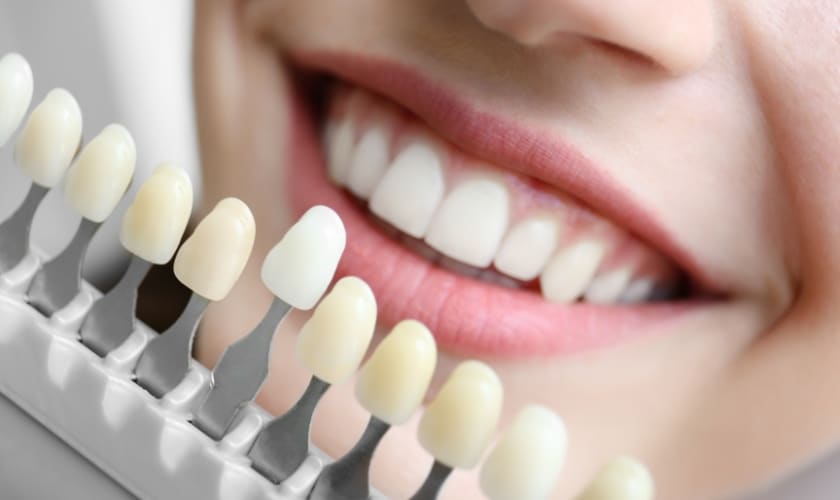
How Enamel Shaping Can Correct Your Teeth Imperfections
Enamel shaping also referred to as tooth contouring or reshaping, is a cosmetic dental procedure aimed at enhancing the appearance and function of your teeth by altering their shape and surface. This minimally invasive treatment can correct various imperfections, leading to a more attractive smile and improved dental function. Here’s what you should know about how enamel shaping can address common teeth flaws and the details of the procedure.
What is Enamel Shaping and Its Purpose
Enamel shaping, also known as enameloplasty, is a cosmetic dental procedure in which a dentist carefully contours or removes a small amount of enamel to improve the appearance of your teeth. This method addresses minor imperfections such as slight overlaps, jagged edges, or uneven lengths, enhancing both the visual appeal and functionality of your smile. By smoothing out these flaws, enameloplasty also aids in maintaining better oral health by reducing areas where plaque can accumulate.
Valued for its simplicity and effectiveness, enameloplasty is typically completed in just one dental visit and provides immediate results with minimal discomfort. Since it is a non-invasive procedure, it usually does not require anesthesia, making it an ideal option for those seeking a quick cosmetic enhancement.
Benefits of Enamel Shaping for Your Teeth
Enamel shaping, or tooth contouring, offers numerous benefits. It is a cost-effective alternative to other cosmetic dental treatments, making it a budget-friendly choice for enhancing your smile. You can achieve immediate results with no downtime, allowing you to enjoy your improved appearance right away. Additionally, tooth shaping helps reduce the risk of tooth decay by smoothing hard-to-clean areas, benefiting both aesthetics and dental health.
- Improves Tooth Shape and Symmetry: Tooth contouring addresses uneven teeth, irregular shapes, and minor imperfections. By contouring the enamel, your dentist can create a more symmetrical and attractive smile, balancing the appearance of your teeth.
- Smoothens Uneven Edges: If your teeth have rough or jagged edges, tooth contouring can smooth them out. This enhances the look of your teeth and reduces the risk of irritation to your gums and lips.
- Corrects Minor Alignment Issues: For those with minor alignment concerns, tooth contouring can subtly adjust the shape and position of your teeth. It can address slight overlaps and gaps without requiring extensive orthodontic treatment.
- Enhances Overall Aesthetic Appeal: Enamel shaping can improve cosmetic issues such as uneven tooth length or disproportionate teeth, enhancing your overall smile. The procedure can make a noticeable difference in the appearance and feel of your smile.
- Quick and Non-Invasive: One of the key advantages of tooth shaping is that it is a non-invasive and relatively quick procedure. It usually requires no anesthesia and can be completed in a single dental visit, making it a convenient option for many patients.
Common Imperfections Corrected by Enamel Shaping
- Minor Chips and Cracks: Enamel shaping can smooth out small chips and cracks, improving the tooth’s appearance and function. This treatment is often used in conjunction with dental bonding to address any deeper imperfections.
- Irregular Tooth Length: Teeth with varying lengths can be evened out with enamel shaping. This adjustment helps achieve better proportion and alignment in your smile.
- Uneven Tooth Contours: Teeth with irregular contours or shapes can be refined through enamel shaping to create a more uniform and aesthetically pleasing appearance. This includes correcting small protrusions or uneven surfaces.
- Pointed Teeth: Teeth with sharp or pointed edges can be softened with enamel shaping. This not only enhances the look of your teeth but also reduces discomfort or irritation.
The Enamel Shaping Procedure
Enamel shaping is a straightforward process designed to enhance the appearance of your teeth. Here’s how it typically unfolds:
- Consultation and Assessment: The process starts with a consultation where your dentist evaluates your teeth and discusses your cosmetic goals. They will assess any imperfections and decide if enamel shaping is the right solution for you.
- Preparation: Once the treatment plan is set, the dentist prepares your teeth for the procedure. This usually involves cleaning your teeth and possibly taking X-rays to ensure that the underlying dental structure is healthy.
- Shaping: The dentist then uses specialized tools to carefully remove small amounts of enamel, sculpting your teeth to achieve the desired shape and contour. Precision is key in this step to ensure that the changes appear subtle and natural.
- Polishing: After shaping, the teeth are polished to smooth the surface and enhance their shine. This step improves the overall appearance and ensures that the teeth feel comfortable.
- Final Adjustments: Finally, the dentist makes any necessary adjustments to perfect the shape and ensure that your bite remains comfortable and functional.
Since only a minimal amount of enamel is removed, the procedure is generally free of sensitivity or discomfort and is completed in a single visit, making it a convenient choice for those with busy schedules.
Ideal Candidates for Enamel Shaping
Tooth shaping is an effective treatment for individuals with minor cosmetic dental concerns. It is well-suited for those with slightly crowded teeth, small chips, or uneven edges. However, if you have more significant dental issues, other treatment options might be more appropriate. It’s important to consult with a dental professional to determine if tooth shaping is the right choice for your specific needs and desired outcomes.
Comparing Enamel Shaping with Other Cosmetic Dentistry Techniques
Enamel shaping is often compared to other cosmetic dental procedures like dental bonding, porcelain veneers, and teeth whitening. Each of these techniques offers distinct advantages, but enamel shaping is notable for its non-invasive approach and immediate results. Unlike porcelain veneers, which cover the front surfaces of teeth, or bonding, which adds material to the teeth, enamel shaping involves removing small amounts of enamel without requiring additional restorations. This method preserves more of the natural tooth structure.
Aftercare and Considerations
- Avoid Hard or Sticky Foods: Following enamel shaping, it’s best to steer clear of very hard or sticky foods that might strain your reshaped teeth.
- Maintain Oral Hygiene: Ensure the health of your teeth and gums by brushing and flossing regularly.
- Schedule Regular Check-ups: Regular dental visits are important to monitor the health of your teeth and ensure the shaping results are sustained.
Enamel shaping is a minimally invasive procedure aimed at correcting minor tooth imperfections, including chips, cracks, uneven contours, and irregular lengths. By gently modifying the enamel, it enhances the appearance of your smile and overall dental aesthetics. If you are considering enamel shaping, consult a cosmetic dentist in New Kensington, PA, to assess if this treatment is suitable for you and to create a personalized treatment plan.
Tooth shaping offers a practical way to address minor dental flaws, helping you achieve a well-balanced and radiant smile with minimal disruption. For any concerns about your smile or to explore cosmetic options, your dentist can provide expert advice and care.