2300 Freeport Rd, New Kensington, PA 15068


Does Gum Disease Treatment Actually Last, or Will It Come Back
Many patients in New Kensington ask whether gum disease treatment actually lasts or will it come back. It is one of the most common questions Dr. Ian Larson hears at Pearl Dentistry. The honest answer is that gum disease treatment can absolutely produce lasting results. However, how long those results last depends on several important factors.
Understanding gum disease as a chronic condition helps set realistic expectations. Like diabetes or high blood pressure, gum disease requires ongoing management rather than a one-time cure. The good news is that with the right approach, most patients in New Kensington can maintain healthy gums for years to come.
What Does Gum Disease Treatment Actually Do?
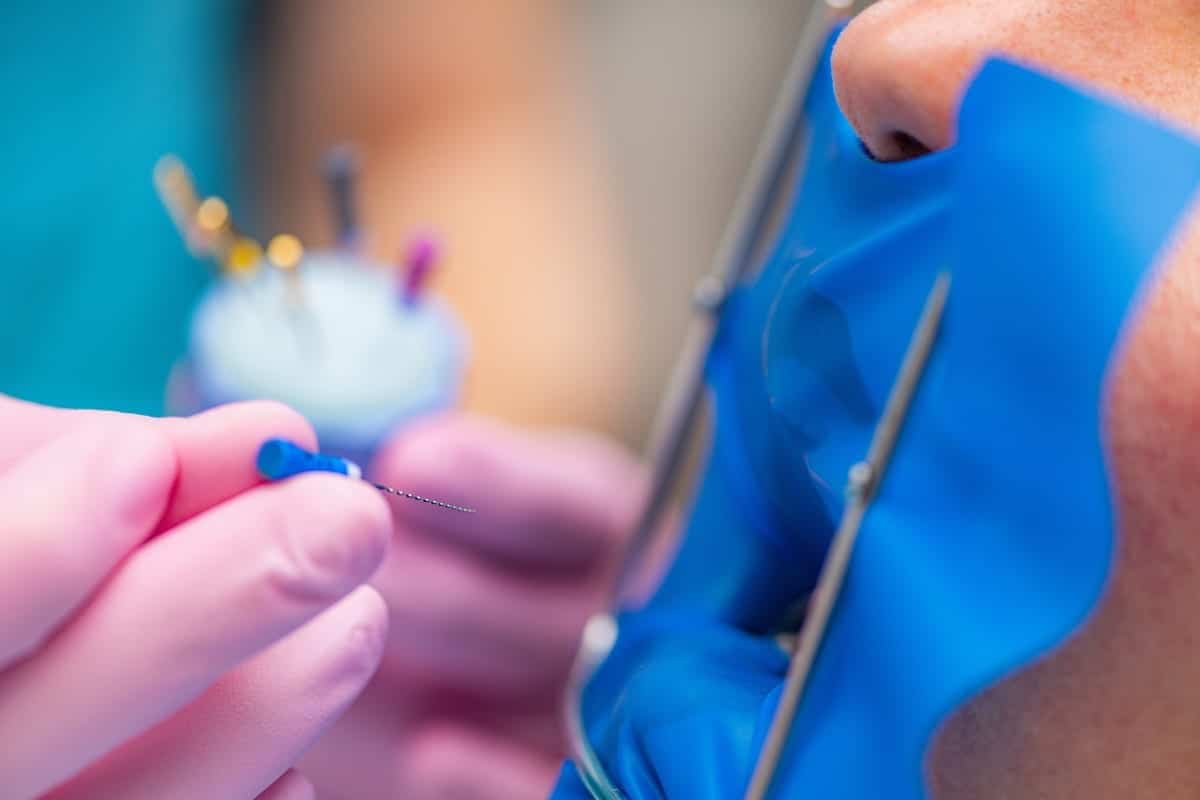
Gum disease treatment targets the bacteria and buildup that cause inflammation around your gums and teeth. The most common treatment is scaling and root planing, also called a deep cleaning. This procedure removes plaque and tartar from below the gumline. It also smooths tooth roots so bacteria have fewer places to attach.
After treatment, your gums begin to heal and reattach to your teeth. Pocket depths — the spaces between your gums and teeth — should shrink significantly. Reduced pocket depth means less room for harmful bacteria to hide. This is the foundation of long-term gum health.
Some patients also need additional therapies like antibiotic treatments placed directly into the gum pockets. In more advanced cases, surgical options may be discussed. Dr. Ian Larson evaluates each patient individually to recommend the most effective treatment plan.
Does Gum Disease Treatment Last in New Kensington Patients?
Research shows that scaling and root planing produces measurable improvements in gum health. Studies indicate that these improvements can last for many years with proper maintenance. Many patients go years without significant progression of their gum disease. The key variable is what happens after the initial treatment.
Patients who commit to regular maintenance visits tend to enjoy the longest-lasting results. Those who skip follow-up care often see gum disease return within months. So the treatment itself is effective — but it is not a permanent fix without continued effort. Think of it like exercise: stopping completely undoes the progress you made.
At Pearl Dentistry New Kensington, we work closely with patients to build a realistic maintenance plan. We want you to feel confident and informed about what to expect long-term.
Factors That Shorten or Extend Your Results
Several lifestyle and health factors directly influence how long gum disease treatment lasts. Understanding these can help you take control of your gum health.
Factors that can shorten results:
- Smoking or tobacco use — tobacco reduces blood flow and slows healing significantly
- Poor at-home oral hygiene — skipping brushing or flossing allows bacteria to return quickly
- Missing maintenance appointments — bacteria rebuild in pockets within months
- Uncontrolled diabetes — high blood sugar feeds inflammation and bacterial growth
- Stress — chronic stress weakens your immune response to bacteria
Factors that extend your results:
- Brushing twice daily with a soft-bristled toothbrush
- Flossing or using an interdental brush every day
- Attending all recommended maintenance cleanings every 3–4 months
- Managing systemic health conditions like diabetes with your physician
- Quitting tobacco products entirely
Genetics also play a role in gum disease susceptibility. Some patients are simply more prone to recurrence than others. Knowing this helps Dr. Larson customize a maintenance schedule that fits your specific risk level.
What Ongoing Maintenance Looks Like After Treatment
After gum disease treatment, your care schedule changes from standard to periodontal maintenance. Most patients visit the office every three to four months instead of twice yearly. These appointments are more detailed than a regular cleaning. We measure pocket depths, check for new inflammation, and remove any new buildup below the gumline.
Over time, if your gum health remains stable, some patients can transition back to twice-yearly visits. This milestone depends entirely on how your gums respond over a period of consistent maintenance. Dr. Ian Larson reassesses your gum health at each visit to guide these decisions.
At-home care remains equally important between visits. Your daily routine directly determines how much bacteria accumulates before your next appointment. Using an electric toothbrush, rinsing with an antimicrobial mouthwash, and cleaning between teeth each night all make a real difference.
Patients who invest in their at-home routine often see their gum health actually improve over time. Those who do not put in daily effort tend to require more intensive treatment at each visit. The choice is genuinely in your hands.
Can Gum Disease Come Back Even With Good Care?
Yes, gum disease can return — but good care dramatically reduces the risk. Gum disease is caused by bacteria that naturally live in your mouth. Completely eliminating that bacteria forever is not realistic. The goal is to keep bacterial levels low enough that your immune system can manage them effectively.
If you notice warning signs, do not wait. Bleeding gums, persistent bad breath, or gum sensitivity can all signal early recurrence. Catching a flare-up early means much simpler treatment compared to advanced disease. Prompt attention makes a significant difference in outcomes.
Our team at Pearl Dentistry New Kensington is always here to address concerns between scheduled visits. We would rather catch something early than wait for it to become a larger problem. This is also why maintaining open communication with your dental team matters so much.
If you are interested in protecting your overall smile, our team also offers Cosmetic Dentistry New Kensington services that complement a healthy foundation. And if you ever experience a dental concern outside of regular hours, we provide Emergency Dentistry New Kensington to help when you need it most.
Conclusion: Long-Lasting Results Are Within Reach
Gum disease treatment absolutely can last — and it does for many patients across New Kensington every year. The results depend on the quality of your initial treatment, your at-home habits, and your commitment to maintenance visits. Dr. Ian Larson and the team at Pearl Dentistry are dedicated to helping you build a plan that works for your life. Book Now to schedule your appointment with our team.
Frequently Asked Questions
How long does gum disease treatment last?
Gum disease treatment can last for many years with proper maintenance. Patients who attend regular periodontal maintenance visits every three to four months and maintain good at-home hygiene tend to enjoy the best long-term results. Without consistent follow-up care, gum disease often returns within months.
Will I always need to come in every three months after treatment?
Not necessarily. Many patients begin with more frequent visits and gradually transition to less frequent appointments as their gum health stabilizes. Dr. Ian Larson evaluates your pocket depths and inflammation at each visit to determine the best schedule for your specific situation.
Can gum disease come back if I brush and floss every day?
Daily brushing and flossing significantly reduce your risk of recurrence, but they do not eliminate it entirely. Bacteria naturally live in your mouth, and some individuals are genetically more susceptible to gum disease. Professional cleanings remove buildup that brushing alone cannot reach, making them essential even with excellent home care.
Does smoking really affect how long gum disease treatment lasts?
Yes, significantly. Tobacco use reduces blood flow to gum tissue and slows the healing process. Smokers are at much higher risk of gum disease recurrence after treatment. Quitting smoking is one of the most impactful steps you can take to extend the longevity of your results.
What are the early signs that gum disease is coming back?
Watch for bleeding gums when you brush or floss, persistent bad breath, gum sensitivity or swelling, and teeth that feel loose or shifted. If you notice any of these signs between appointments, contact Pearl Dentistry New Kensington promptly. Early intervention keeps treatment simpler and more effective.