2300 Freeport Rd, New Kensington, PA 15068


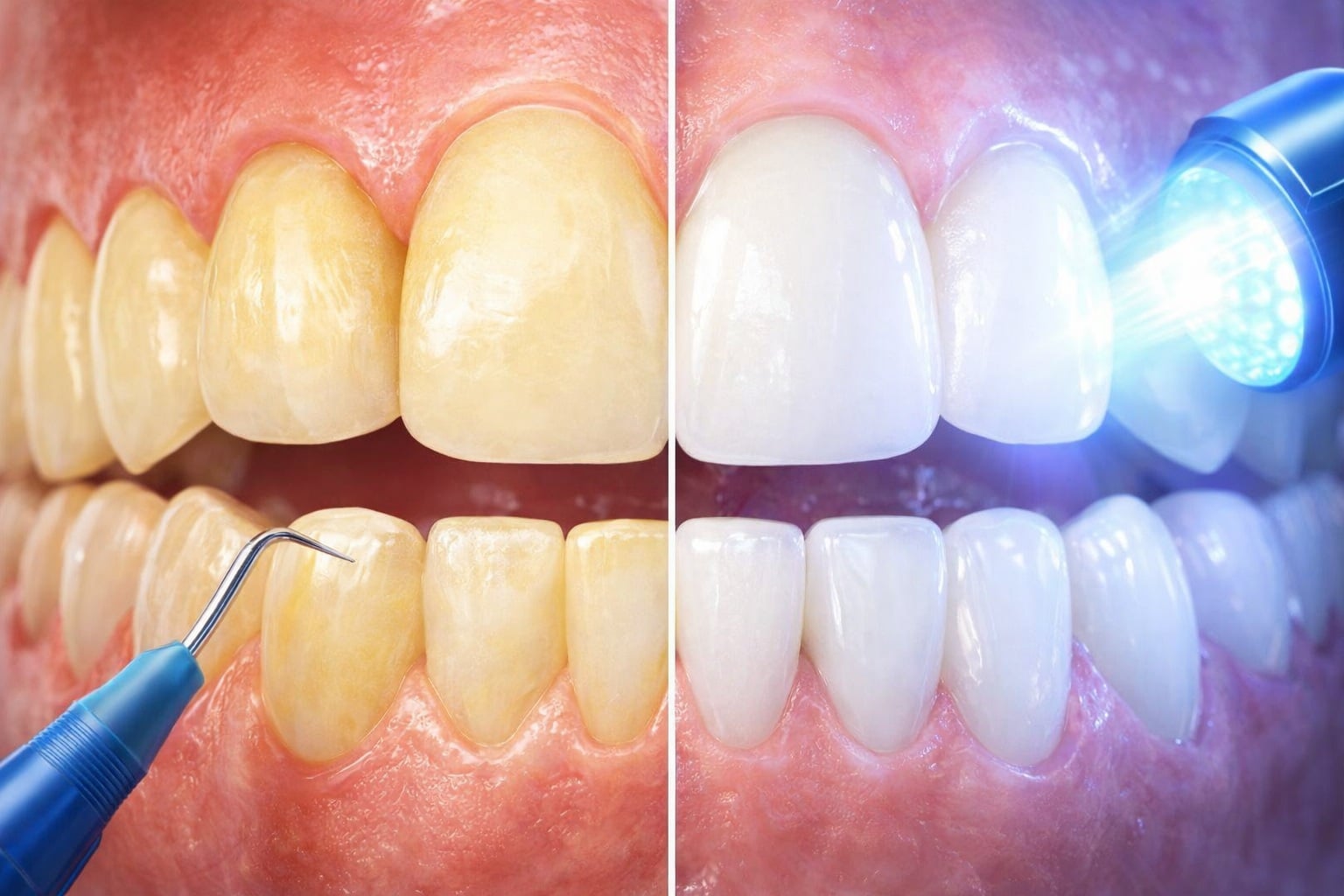
The Dangers of Homemade Teeth Whitening Treatments
The promise of a brighter smile from your kitchen cabinet is appealing. Baking soda, lemon juice, activated charcoal, and hydrogen peroxide straight from the drugstore bottle — the internet is full of DIY whitening recipes that claim to deliver professional results for next to nothing. Some of them are harmless. Others cause real, lasting damage that takes far more time and money to fix than any whitening treatment would have cost in the first place.
Here’s an honest look at what’s actually happening when you use homemade whitening methods and why your enamel deserves more careful consideration than a trending social media remedy.
Why People Turn to DIY Whitening And What Gets Left Out of the Conversation
The Gap Between Expectation and Reality
Most homemade whitening methods work by one of two mechanisms: mild abrasion or chemical bleaching. The problem is that neither mechanism, when applied without clinical control, distinguishes between surface stains and the underlying enamel. That distinction is everything.
Enamel is the hardest substance in the human body, but it doesn’t regenerate. Once it’s worn away or chemically etched, it’s gone. The dentin layer beneath it is naturally yellow, which means enamel loss doesn’t just create sensitivity, it makes teeth look more discolored over time, not less.
For patients who schedule dental exams and teeth cleanings in New Kensington, PA, we regularly see patients who’ve been aggressively whitening at home and are surprised to find their teeth are more sensitive and appear yellower than before. The erosion has exposed dentin, and no amount of whitening reverses that.
The Most Common Homemade Whitening Methods And the Risks Each One Carries
Baking Soda
Baking soda is mildly abrasive and does remove surface stains to some degree. That’s why it’s an ingredient in many commercial toothpastes in low concentrations. Using straight baking soda directly on your teeth, particularly frequently, is a different matter. The abrasive particles can scratch enamel, and those scratches make the surface more porous and more prone to future staining, not less.
Lemon Juice (or Any Acidic Substance)
Citric acid is highly erosive to enamel. Lemon juice has a pH of around 2 – comparable to stomach acid. Rubbing it on your teeth or using it in a whitening paste exposes the enamel to that acidity for an extended period. The bleaching effect some people notice is real, but it occurs because the acid literally demineralizes the outer tooth surface. It’s the dental equivalent of sanding a wood finish. The “brighter” appearance is enamel loss, and it’s irreversible.
Activated Charcoal
Activated charcoal has had a significant moment in wellness culture, and tooth whitening is one of its more popular claimed uses. The research, however, doesn’t support it. A recent review published in the British Dental Journal found no reliable evidence that charcoal-based dental products effectively whiten teeth, and flagged concerns about their abrasive nature and potential to damage both enamel and dental restorations. Charcoal is also difficult to remove from gum tissue and can obscure early signs of disease, such as early-stage oral cancer, during visual examination.
High-Concentration Hydrogen Peroxide
Drugstore hydrogen peroxide typically comes in 3% concentration, which is already higher than what many over-the-counter whitening products use. Some DIY recipes call for extended contact time or higher concentrations purchased online. At elevated concentrations or with prolonged application, hydrogen peroxide can cause chemical burns to the gum tissue, pulp irritation, and increased tooth sensitivity. The peroxide concentration in professionally supervised whitening treatments is carefully calibrated — the gel, tray fit, and application time are all controlled to minimize these effects.
Oil Pulling
Oil pulling – swishing oil (usually coconut oil) in the mouth for several minutes doesn’t whiten teeth. There’s no credible clinical evidence supporting it as an effective whitening method, and while it’s unlikely to cause harm on its own, it’s worth mentioning because it’s often promoted alongside other DIY methods as part of a “natural oral care” routine that can replace professional care. It shouldn’t.
What Happens When Enamel Is Damaged
The consequences of repeated DIY whitening damage aren’t always immediate. Enamel erosion is cumulative – it builds quietly over months and years before it becomes obvious. By the time sensitivity is sharp, visible wear is present, or discoloration from dentin exposure becomes noticeable, the damage is already done.
Sensitivity itself is worth taking seriously. When enamel thins, the tubules inside dentin that connect to the tooth’s nerve become more exposed, which is why cold liquids, sweet foods, or even a breath of cold air can trigger a sharp response. If you’ve noticed increased sensitivity during your whitening routine, that’s your tooth signaling that something is wrong at the surface.
Gum tissue is equally vulnerable. Acidic or abrasive substances applied repeatedly to the gumline can cause gingival recession — the gum pulling away from the tooth. Exposed root surfaces lack enamel protection, making them even more susceptible to decay and sensitivity.
What Safe, Effective Whitening Looks Like
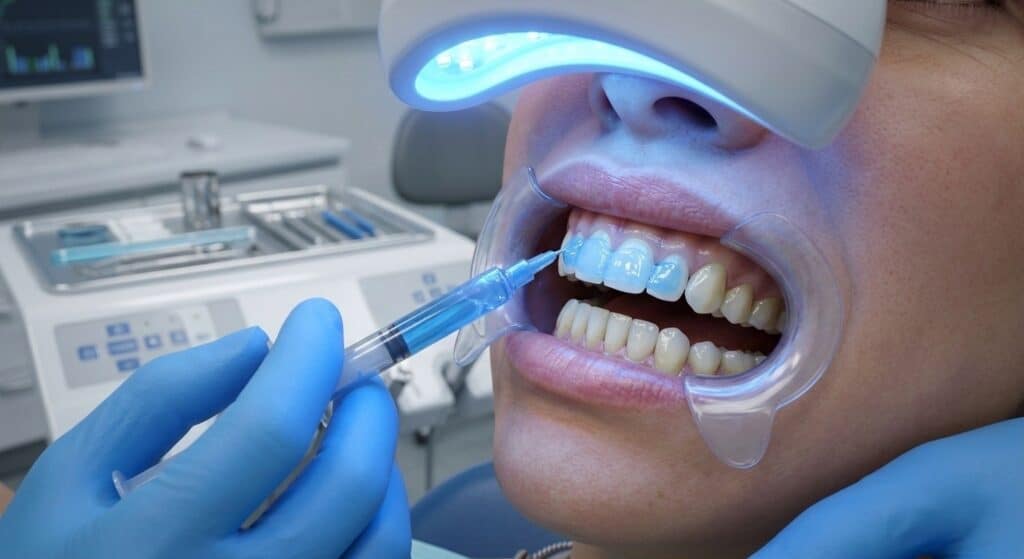
Professional whitening isn’t just about using stronger products – it’s about applying the right products in the right way, with proper protection of the gum tissue and a baseline evaluation of your oral health first.
Before any whitening treatment, a proper dental exam confirms that your enamel is healthy enough to whiten safely, that any existing restorations won’t be affected unpredictably, and that there aren’t any underlying issues, such as active decay or gum disease, that would make whitening inappropriate at that time. Dental exams and teeth cleaning in New Kensington, PA, aren’t just routine maintenance; they’re also the foundation for any safe cosmetic treatment you pursue afterward.
Your Smile Is Worth More Than a Quick Fix
DIY whitening methods are tempting precisely because they seem low-stakes. They’re not, once you factor in what they can do to enamel over time. The teeth you have now are the only ones you’ll get, and protecting that enamel is one of the most important things you can do for your long-term oral health.
Call Pearl Dentistry of New Kensington today to schedule a cleaning and consultation. We’ll evaluate your enamel health, discuss your whitening goals honestly, and help you get a brighter smile the right way without risking what you already have.
People Also Ask
How often should I get a professional teeth cleaning, and does it help with whitening?
Professional cleanings are recommended every six months for most patients. While they don’t change the intrinsic color of your teeth, they do remove surface staining from coffee, tea, wine, and tobacco that builds up between visits. Many patients notice their teeth look brighter after a cleaning, even without additional whitening treatment.
Can I whiten my teeth if I have dental restorations like crowns or veneers?
Whitening products, both professional and over-the-counter, don’t change the color of porcelain, ceramic, or composite restorations. If you whiten your natural teeth while leaving restorations in place, the shade mismatch can become more noticeable. Your dentist will factor this into any whitening recommendation.
How do I know if my enamel is already damaged from DIY whitening?
Common signs include increased sensitivity to cold, sweet, or acidic foods, visible thinning or translucency at the edges of teeth, or a yellow appearance that hasn’t improved with whitening. A dental exam with X-rays can help evaluate the current state of your enamel and identify any underlying concerns.
Are whitening toothpastes safe to use daily?
Most whitening toothpastes are safe for daily use when they carry the ADA Seal of Acceptance, which indicates the product has been evaluated for both safety and effectiveness. Higher-abrasive whitening pastes should be used more cautiously – your dentist can recommend options based on your enamel health.
At what age is teeth whitening safe to start?
Professional whitening is generally considered appropriate for patients whose permanent teeth have fully erupted and whose enamel has matured, typically in mid-to-late teens. Whitening in younger patients isn’t recommended because the pulp chamber is larger, making teeth more sensitive and vulnerable to chemical effects. Your dentist can advise on the right timing based on your child’s development.