2300 Freeport Rd, New Kensington, PA 15068


Causes Of Dental Implant Failure & How To Prevent It?
In comparison to conventional bridges and dentures, dental implants are a cutting-edge tooth replacement alternative that provides a host of advantages. These are prosthetic tooth roots that are surgically inserted into your jawbone to serve as a base for dentures, bridges, or even single tooth restorations. Dental implants provide a stable alternative to gum-reaching dentures and bridges that depend on neighboring teeth for supporting function much like natural teeth. However, understanding the causes of dental implant failure is crucial for ensuring their long-term success.
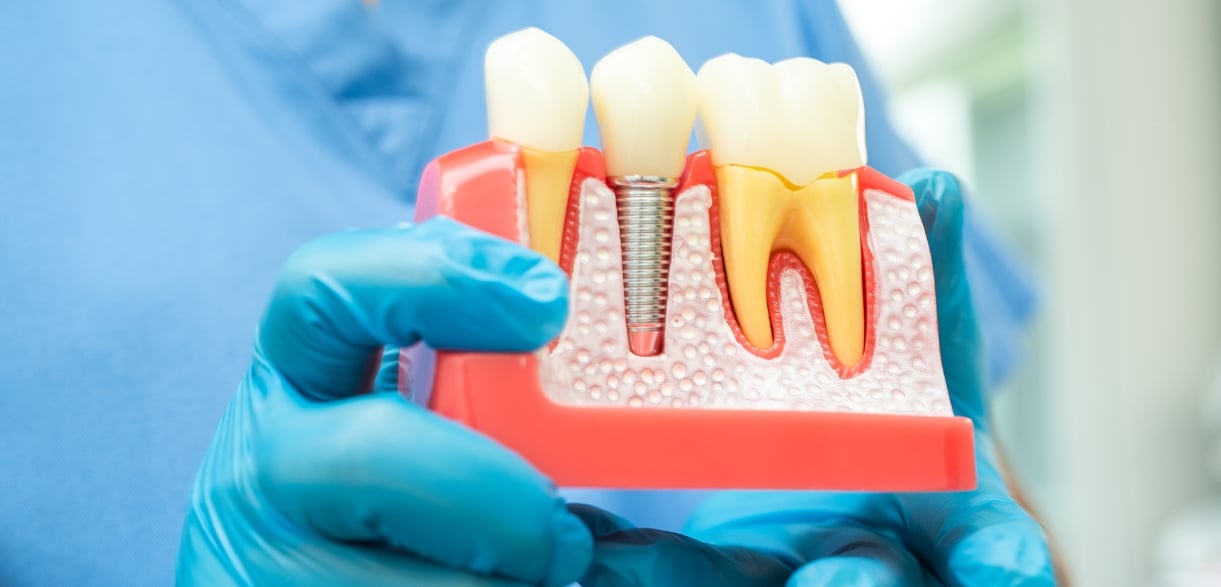
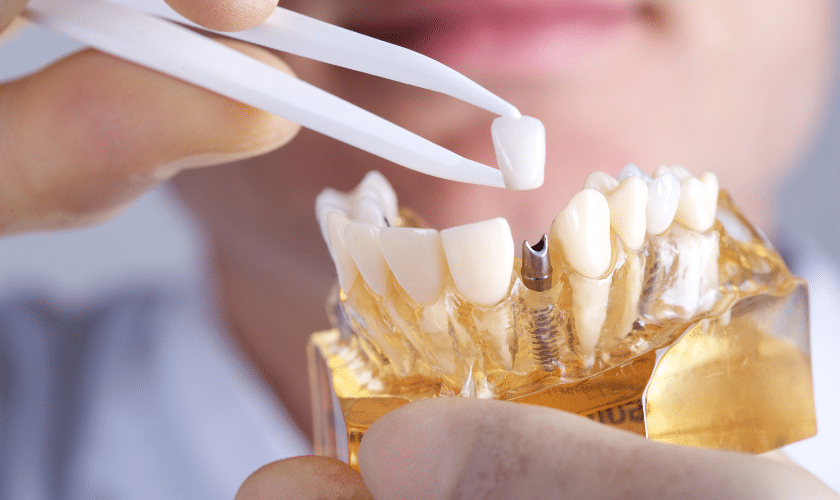
Here’s a breakdown of what dental implants consist of:
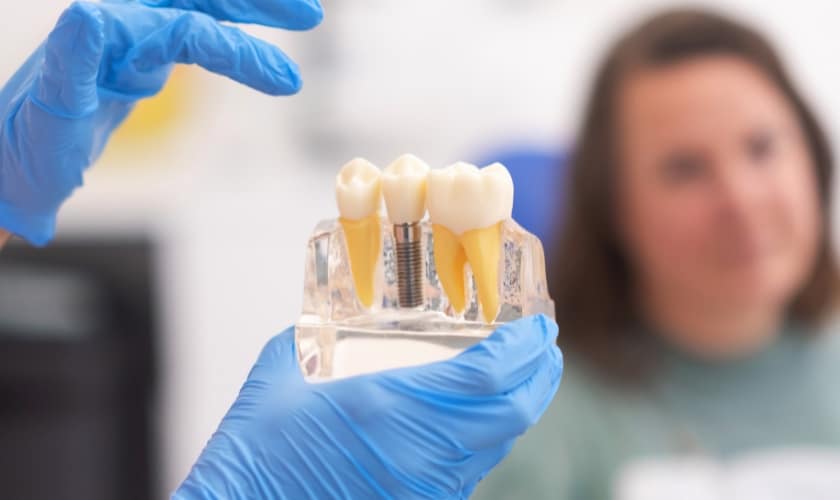
- Implant post: Made of titanium, a biocompatible metal, this screw-like component serves as the artificial root and is surgically placed into the jawbone.
- Abutment: This small connector piece attaches to the implant post and creates a stable platform for the artificial tooth.
- Crown: The visible part of the implant, the crown is custom-made from porcelain or other materials to resemble a natural tooth and restore aesthetics and function.
Let’s explore some of the key benefits of choosing dental implants:
- Durability & longevity: Dental implants are known for their remarkable robustness, lasting decades with appropriate maintenance.
- Improved oral health: Unlike dentures that can cause bone loss, implants actually stimulate the jawbone, preventing bone resorption and promoting long-term oral health.
- Enhanced function and appearance: Implants function similarly to natural teeth, allowing for natural biting and chewing. They also provide a natural-looking restoration that blends seamlessly with your smile.
- Increased confidence: By restoring a full and functional smile, dental implants can significantly boost your confidence and self-esteem.
Potential Causes of Dental Implant Failure
While dental implants in New Kensington, PA, boast a high success rate, there are certain factors that can contribute to implant failure. Here’s a closer look at some of the potential causes:
- Peri-implantitis: This is an inflammatory disease that affects the tissues surrounding the dental implant. It’s similar to gum disease (periodontitis) but affects the gum tissue around the implant instead of a natural tooth. Inadequate oral hygiene is a significant risk factor for peri-implantitis, which can eventually lead to bone loss and implant failure.
- Periprosthetic infection: This is a bacterial infection that occurs in the bone around the implant. It’s often caused by contamination during surgery or inadequate post-operative care.
- Poor osseointegration: This refers to the failure of the implant to fuse with the jawbone. Several factors can contribute to this, such as improper implant placement, underlying medical conditions, or smoking.
- Overload or trauma to the implant: Excessive force due to misaligned bite alignment, bruxism (teeth grinding), or using the implant for activities beyond its intended use can lead to implant failure.
- Medical conditions: A number of ailments, including autoimmune illnesses, osteoporosis, and uncontrolled diabetes, might interfere with bone mending and raise the possibility of implant failure.
- Smoking and tobacco use: Smoking and tobacco use can significantly hinder healing and impair blood flow, both of which may have an adverse effect on dental implants’ success.
- Poor oral hygiene: Just like with natural teeth, maintaining good oral hygiene is crucial for the long-term success of dental implants. Without proper brushing and flossing, germs and bacteria can build up around the implant, leading to peri-implantitis and, ultimately, implant failure.
By understanding these potential causes, you can take steps to minimize the risk of implant failure and ensure the longevity of your dental implants in New Kensington, PA.
Signs and Symptoms of Dental Implant Failure
While dental implant failure is not a common occurrence, it’s important to be aware of the signs and symptoms so you can seek prompt treatment if necessary. Here are some red flags to watch out for:
- Pain around the implant site: Persistent pain or discomfort around the implant, especially when biting or chewing, can be a sign of infection or other problems.
- Swelling or redness of gums: Inflammation or redness of the gums surrounding the implant is another potential indicator of an issue.
- Pus draining from the implant site: Drainage of pus from the implant site is a clear sign of infection and requires immediate dental attention.
- Loose implant or feeling like it’s coming loose: If the implant feels loose or wobbly, or if you experience a clicking sensation when biting, it could indicate implant failure.
- Chewing problems or discomfort: Difficulty chewing or experiencing discomfort while biting down on food can be a sign of implant damage or problems with the surrounding bone.
If you experience any of these signs or symptoms, scheduling an appointment with your dentist right away is important. Early diagnosis and intervention can often prevent further complications and potentially save the implant.
How to Prevent Dental Implant Failure
Thankfully, there are a number of preventative steps you can take to improve your dental implants’ success rate and maintain a healthy smile for years to come. Here’s a breakdown of key preventive strategies:
- Choosing a qualified dentist/oral surgeon: Selecting a dentist or oral surgeon with training and experience who specializes in dental implant installation is essential. Reach out to a professional dentist with a track record of successfully placing implants and extensive training in implant dentistry.
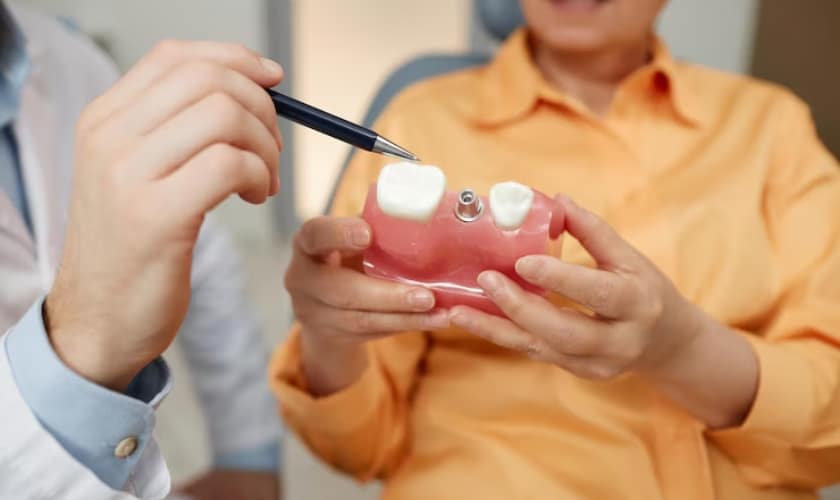
- Pre-operative evaluation and planning: A thorough pre-operative evaluation assesses health, jawbone density, and implant suitability, guiding a personalized treatment plan.
- Proper implant placement and surgery: Precise implant placement is critical for optimal osseointegration and long-term success. Advanced surgical techniques and technologies are used to ensure an accurate placement and minimize the risk of complications.
- Post-operative care instructions: Following your dentist’s post-operative instructions diligently is vital for proper healing and reducing the risk of infection. These instructions may include medication, a soft diet, and gentle oral hygiene around the implant site.
- Maintaining good oral hygiene: Brushing twice daily with a soft-bristled toothbrush and flossing once a day are essential for removing plaque and bacteria around the implant and preventing peri-implantitis. Your dentist may also recommend special cleaning tools designed specifically for dental implants.
- Regular dental checkups and professional cleanings: Scheduling regular dental checkups and professional cleanings allows your dentist to be updated on the health of your implants and surrounding tissues. Early identification & treatment of any potential issues can help prevent implant failure.
By following these preventive measures, you can enhance dental implant success and enjoy a lasting, beautiful smile.
Living a Long and Healthy Life with Dental Implants
Dental implants are a fantastic development in dental science, offering a long-lasting and realistic replacement for lost teeth. However, like any medical procedure, there are potential risks. Understanding implant failure causes and following preventive measures can significantly boost your implants’ success rate. This diligence will help you enjoy the life-changing benefits of a complete and healthy smile.
This blog has equipped you with the knowledge to make informed decisions about dental implants. Consulting a trusted dentist is crucial to assess candidacy for implants and discuss individual needs and concerns.