2300 Freeport Rd, New Kensington, PA 15068


Caring for Your Dental Veneers: A Guide for New Kensington Residents
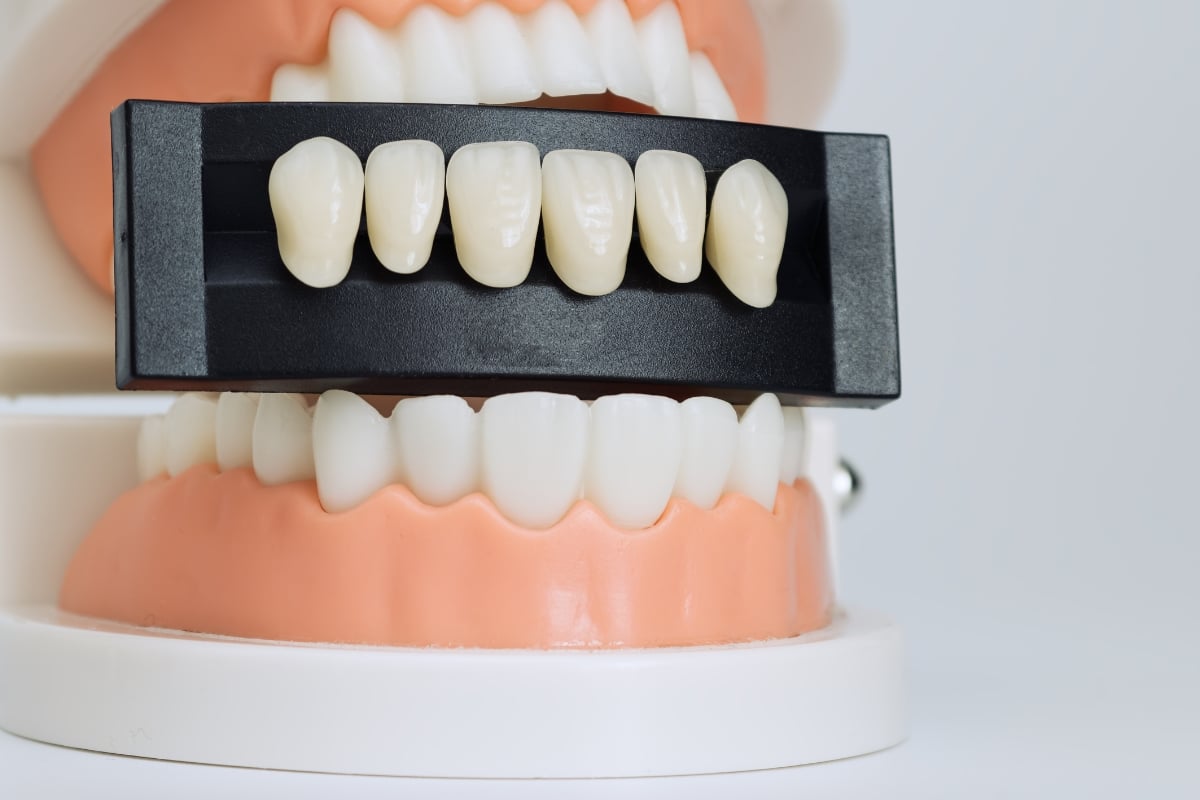
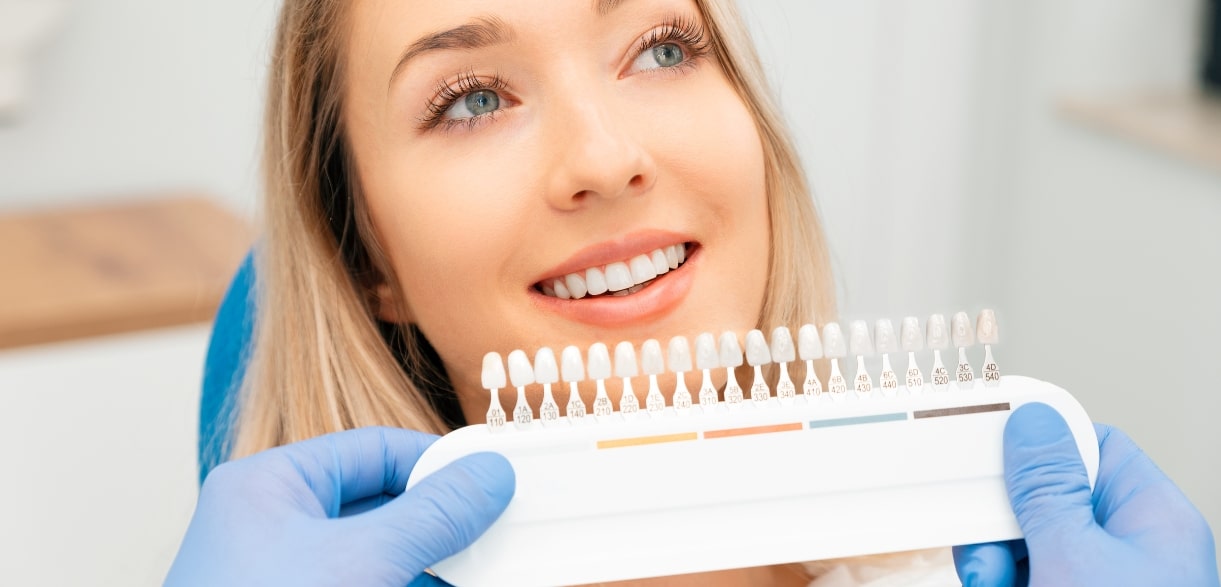
Dental veneers offer a beautiful way to achieve a perfect smile. If you’re considering or already enjoying veneers, it’s essential to maintain them well to keep your smile shining. Veneers are thin, custom-made shells applied to the front of your teeth, covering imperfections like chips, discoloration, or gaps. With a bit of regular care and some lifestyle adjustments, you can keep your veneers looking flawless for years.
Why Proper Veneer Care Matters?
While veneers are durable, they’re not indestructible. They require careful maintenance to stay in top condition. Knowing how to care for dental veneers helps you avoid premature damage and costly repairs. Here’s what you need to know to keep your veneers looking natural and brilliant.
Daily Habits to Maintain Your Veneers
Everyday care can make a huge difference in how long your veneers last. Here are some essential steps for protecting your dental veneers in New Kensington:
- Brush Twice Daily: Use a soft-bristled toothbrush and non-abrasive toothpaste to avoid scratching your veneers. Brushing removes surface stains and prevents plaque buildup.
- Floss Gently: Flossing is crucial to protect your gums and the edges of your veneers. Glide the floss gently to avoid shifting your veneers.
- Rinse with Mouthwash: Choose an alcohol-free mouthwash to keep your gums healthy. Alcohol-based mouthwashes can damage the bonding material used for veneers.
These daily habits are simple yet effective ways to maintain the appearance of your veneers and protect your overall oral health.
Foods to Avoid for Veneer Longevity
Your dietary choices impact the longevity of your veneers. Some foods are more likely to cause damage or staining. Keep these tips in mind:
- Steer Clear of Hard Foods: Avoid biting into hard candies, ice, or tough foods. These can crack or chip your veneers.
- Limit Dark-Colored Drinks: Beverages like coffee, tea, and red wine may stain veneers. If you enjoy these drinks, use a straw and rinse your mouth afterward.
- Avoid Sticky or Sugary Foods: Foods high in sugar or stickiness can cause plaque buildup and compromise the seal of your veneers over time.
Being mindful of what you eat can go a long way in keeping your dental veneers beautiful and intact.
Professional Care for Your Dental Veneers
Regular professional dental care is just as important as daily maintenance. Here’s how your dentist plays a vital role in preserving your veneers:
- Schedule Regular Cleanings: Professional cleanings remove plaque and tartar buildup, which helps protect your veneers and natural teeth.
- Get Routine Checkups: During dental exams, your dentist will check the condition of your veneers and address any signs of wear.
- Ask About Polishing Veneers: Some dentists offer veneer polishing services. This can restore the original sheen of your veneers, enhancing their appearance.
Regular visits to the dentist are crucial for catching issues early and ensuring your veneers last as long as possible.
Avoiding Bad Habits to Preserve Your Veneers
Certain habits can be particularly damaging to veneers. Here are a few behaviors to avoid:
- Don’t Use Teeth as Tools: Using your teeth to open packages or bottles can put too much pressure on your veneers.
- Avoid Smoking: Smoking not only stains veneers but can also harm your gums, which is essential for the stability of veneers.
- Be Mindful of Grinding and Clenching: If you grind or clench your teeth, consider wearing a mouthguard, especially while sleeping. Grinding can wear down veneers quickly.
By avoiding these habits, you’re doing your veneers a favor and helping them stay secure and attractive.
Recognizing When Veneers Need Attention
Even with proper care, dental veneers might need adjustments or replacement over time. Here are signs that may indicate it’s time to consult your dentist:
- Visible Wear or Chipping: Small chips or rough edges can compromise the appearance and function of veneers.
- Discomfort or Sensitivity: If you notice any unusual pain or sensitivity, your veneers may need an adjustment.
- Loosening Veneers: Feeling like a veneer is loosening or shifting is a sign to schedule a dental appointment.
By catching issues early, you can address them with minimal hassle and prevent further damage.
Caring for Your Veneers
Caring for dental veneers doesn’t have to be complicated. By following these daily care routines, watching what you eat, and keeping up with regular dental visits, you can enjoy a radiant smile for years. Proper maintenance is key to extending the lifespan of your veneers, ensuring you get the most from your investment.