2300 Freeport Rd, New Kensington, PA 15068


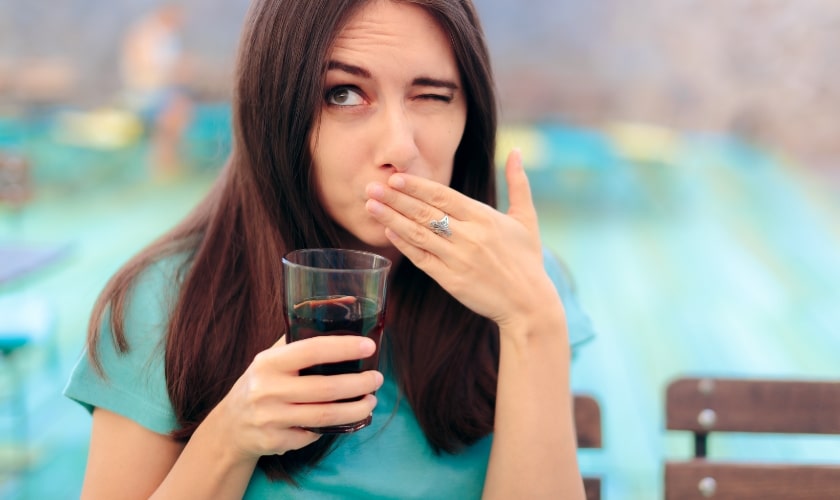
Can I Drink Alcohol After Teeth Whitening?
Teeth whitening can dramatically enhance your smile, but preserving its brilliance requires careful post-treatment care. A common question is whether alcohol consumption can affect your newly whitened teeth. This blog explores the potential impact of alcohol on whitened teeth, offers tips for maintaining your results, and provides a comprehensive guide to post-whitening care.
Why Alcohol Might Spoil Your Post-Whitening Results
Teeth whitening treatments employ bleaching agents like hydrogen peroxide or carbamide peroxide to remove stains and discoloration from the enamel. This process temporarily opens the enamel’s pores, making your teeth more vulnerable to staining right after the treatment. This increased sensitivity typically lasts for 24 to 48 hours, so it’s crucial to avoid certain foods and beverages, including Alcohol, during this period. Alcohol can exacerbate this vulnerability in several ways:
- Dehydration: Alcohol is a diuretic, which increases urination and can lead to dehydration, including in your mouth. This reduces saliva production, which normally helps wash away food particles and staining agents. Consequently, your teeth may appear duller, and you could be more susceptible to staining from other drinks.
- Staining Properties: Many alcoholic beverages, like red wine, coffee liqueurs, and dark beers, have pigments that can easily stain your newly whitened teeth. The porous enamel can absorb these pigments, potentially reversing the whitening effects.
- Acidity: Some alcoholic drinks, especially certain wines, are acidic. While this effect is less severe than dehydration or staining, acidity can slightly weaken the enamel, making it more prone to future staining.
Alcohol Types and Their Effects on Whitening
- Red Wine: Red wine presents a considerable risk post-whitening due to its intense color and high acidity, which can quickly lead to staining.
- White Wine: Although lighter in color, white wine is still acidic and may heighten the chance of staining from other foods and drinks.
- Beer: Dark beers have a greater potential to stain teeth compared to lighter varieties, but all beers possess a degree of acidity that can contribute to discoloration.
- Spirits: Clear spirits like vodka and gin are less likely to cause staining than colored liquors. However, when mixed with sugary or dark mixers, they can still lead to staining.
Timeline for Safe Alcohol Consumption
The ideal time to wait before drinking Alcohol after a teeth whitening procedure depends on the treatment type and individual circumstances. Here’s a general guideline:
- 24-48 Hours: This is the most critical period. Immediately after whitening, your teeth are highly porous. It’s important to completely avoid alcohol during this time to help your teeth rehydrate and stabilize.
- 48-72 Hours: As your teeth begin to recover beyond the initial 48 hours, you can cautiously start consuming clear alcoholic beverages like vodka or gin in moderation. However, it’s still wise to limit your intake and rinse your mouth with water after drinking.
- Beyond 72 Hours: Typically, after 72 hours, your teeth should be sufficiently rehydrated and less susceptible to staining. You can gradually resume your normal alcohol consumption but continue to drink in moderation and rinse your mouth with water after consuming any potentially staining beverages.
Tips for Maintaining Whitened Teeth
- Avoid Alcohol for 48 Hours: To protect your freshly whitened teeth, it’s crucial to avoid Alcohol for at least 48 hours after treatment. This period allows your enamel to rehydrate and the pores to close, reducing the risk of staining.
- Drink Plenty of Water: Water helps to rinse away acids and staining agents. Consuming water alongside or immediately after Alcohol can minimize potential damage.
- Use a Straw: If you choose to drink alcohol, using a straw can help limit direct contact between the Alcohol and your teeth, thus lowering the risk of staining.
- Practice Good Oral Hygiene: Regular brushing and flossing are essential to remove any residual alcohol and food particles. Using a whitening toothpaste can further help in maintaining the brightness of your teeth.
- Avoid Dark and Acidic Foods: In addition to Alcohol, avoid dark-colored and acidic foods and drinks, like coffee, tea, berries, and tomato sauce, during the initial 48 hours.
- Regular Dental Check-Ups: Schedule regular visits with your dentist for professional teeth cleanings and dental exams to ensure your teeth remain healthy and white.
Drinking Alcohol immediately after teeth whitening is typically not recommended due to increased sensitivity and a higher risk of staining. Alcoholic beverages, with their acids and colorants, can penetrate the porous enamel, leading to discoloration and diminishing the whitening effects. To keep your smile bright, it’s best to avoid Alcohol for at least 48 hours post-treatment. After this period, if you decide to consume Alcohol, opt for clear drinks, stay hydrated, and maintain good oral hygiene to protect your newly whitened teeth.
For tailored advice and to ensure optimal results from your whitening treatment, consult your dentist. They can provide specific recommendations based on your needs and help you keep your smile radiant. By following these guidelines, you can enjoy the benefits of your whitening procedure while keeping your smile both bright and healthy. For any questions or concerns about post-whitening care or the impact of Alcohol, your dentist is the best source of expert advice.