2300 Freeport Rd, New Kensington, PA 15068


Can Dental Bonding Repair Chipped Teeth? A Closer Examination of the Procedure
A cracked tooth can be the outcome of a dental accident, regular wear and tear, or a bite into hard foods. No matter what has led to your chipped tooth, it can significantly influence how you feel about yourself. The truth is chipped tooth impacts more than just your smile. It can be painful, drain confidence, and even cause problems for one’s teeth if it goes unchecked. Sounds alarming, doesn’t it?
While most seek out quick, efficient remedies to repair their teeth, dental bonding is a choice favored by many for the same reason. This rapid, unobtrusive dental treatment option is effective in solving your struggle with oral aesthetics and functions. Let’s examine the process of how it is performed, the advantages, and what to anticipate.
What Is Dental Bonding?
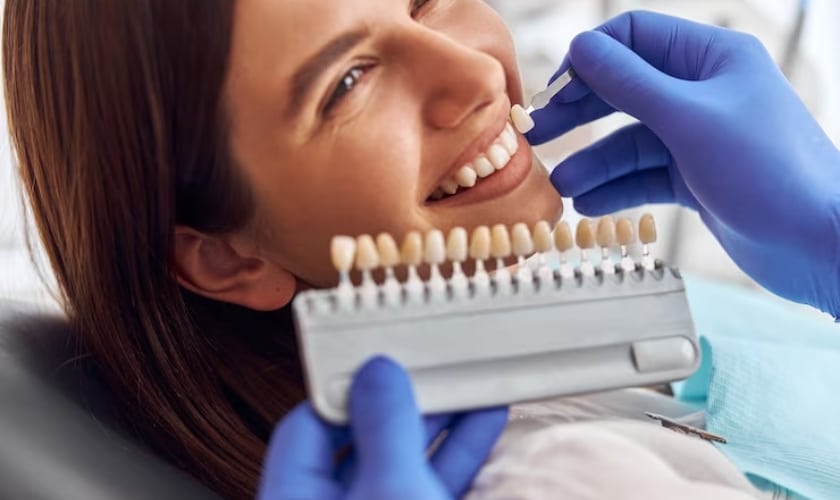
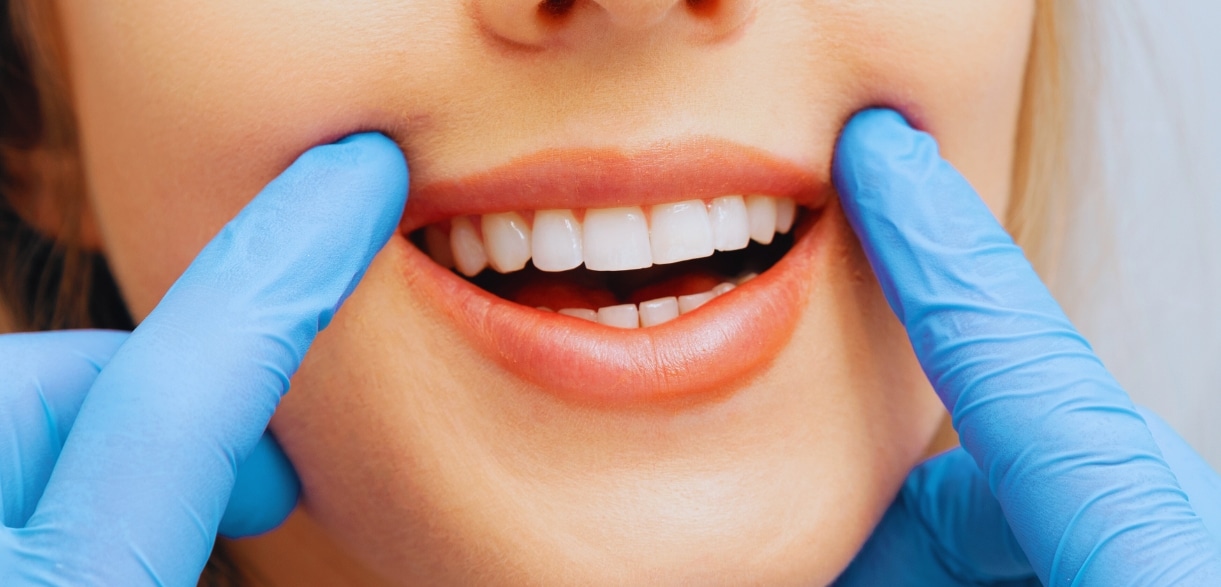
Dental bonding is a cosmetic treatment that restores minor tooth defects. You can get rid of discolored, chipped, or cracked teeth using a tooth-colored composite resin – the bonding material. It is placed and molded as per your natural tooth structure. The resin is cured using a special light for a tough and natural finish.
- Non-invasive: Patients can skip anesthesia in most instances.
- Rapid process: Typically done in one visit.
- Cost-efficient: Less expensive than veneers or crowns.
- Reversible: It’s changeable or replaceable if necessary.
How Dental Bonding Repairs Chipped Teeth?
Chipped teeth range from mild to severe, but dental bonding is a quick method to restore your oral function and shape. The procedure involves:
- Tooth Preparation – Gently roughen the surface and apply a conditioning liquid for stronger adhesion.
- Resin Application – Color-matched composite resin is placed and shaped to blend in completely with the tooth.
- Hardening Process – A curing light solidifies the resin within seconds.
- Final Touches – The bonded area is polished to match the surrounding enamel.
Durability and Longevity of Dental Bonding
Dental bonding can last 3 to 10 years before needing touch-ups or replacement. A few simple tips you can follow to extend the lifespan of the bonding material are:
- Avoid biting hard foods or objects.
- Maintain proper oral hygiene.
- Schedule regular dental check-ups.
- Restrict staining foods such as coffee, tea, and red wine.
Who Is a Good Candidate for Dental Bonding?
This is ideal for people with minor dental cosmetic issues. Good candidates are people with:
- Small to moderate chips or cracks.
- Spaces between teeth that require minor adjustments.
- Discolored teeth that require minor improvements.
- Uneven or slightly deformed teeth.
How to Take Care of Bonded Teeth?
Oral hygiene and frequent visits to the dentist increase the lifespan of bonded teeth.
- Brush twice daily with a non-abrasive toothpaste.
- Floss once a day to take away plaque buildup.
- If you grind your teeth, wear a mouthguard.
- Get regular check-ups and touch-ups from your dentist.
Dental bonding gives you a speedy, economical fix for chipped teeth. Good care can make the bonding material last a decade. For anyone looking for a fast and effective fix for a new smile, dental bonding is an excellent option.
Want to get your smile back? Call our dentist today to find out if dental bonding is the solution for you.