2300 Freeport Rd, New Kensington, PA 15068


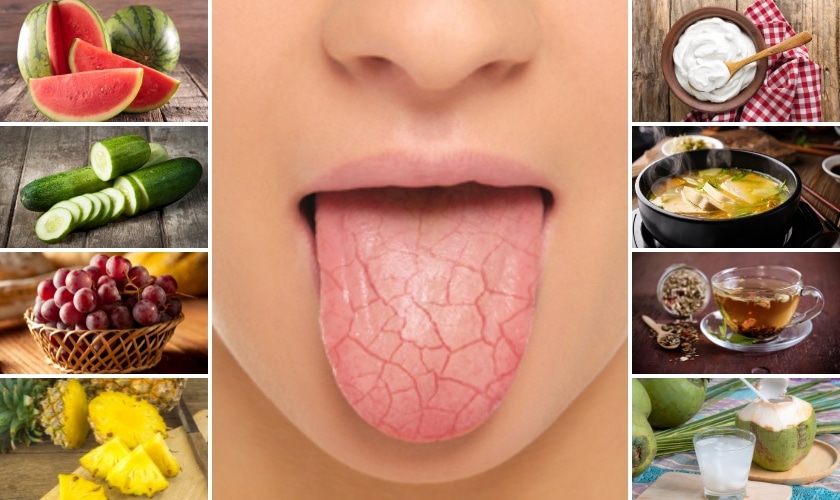
10 Best Foods To Eat When You Have Dry Mouth
Do you ever wake up feeling like your mouth is stuffed with cotton? That unpleasant sensation, known as dry mouth, can be a real drag. It can make speaking difficult and swallowing uncomfortable and leave you feeling constantly thirsty. But fear not, fellow parched souls! There are delicious solutions readily available at your local grocery store, including the best foods for dry mouth.
Dry mouth can arise from various causes, including certain medications, dehydration, underlying health conditions, or even bad habits like smoking. If you’re experiencing persistent dryness, it’s essential to consult a dentist to determine the root cause and get proper treatment. Incorporating the best foods for dry mouth into your diet can help alleviate the discomfort and keep your mouth feeling refreshed.
What is Dry Mouth?
Dry mouth, also known as xerostomia (zeer-o-STOE-me-uh), occurs when the salivary glands in the mouth don’t produce enough saliva to keep it moist. This condition is often caused by aging, side effects of certain medications, or radiation therapy for cancer. Less commonly, a condition directly affecting the salivary glands can lead to a dry mouth. You may also experience temporary dry mouth if you are thirsty or anxious.
For some, dry mouth is merely an annoyance. However, for others, it can significantly impact overall health and the health of teeth and gums. Additionally, it can influence how much people eat and how much they enjoy their food.
What Causes Dry Mouth?
A dry mouth occurs when the salivary glands don’t produce enough saliva to moisten the mouth. Several factors can cause these glands to function improperly:
- Medications: Hundreds of medications, including over-the-counter ones, can cause dry mouth. Medicines for depression, high blood pressure, anxiety, antihistamines, decongestants, muscle relaxants, and pain relievers are among the most likely to cause this issue.
- Aging: Many older adults experience dry mouth symptoms due to age-related changes in medication metabolism, poor nutrition, and long-term health problems.
- Cancer therapy: Chemotherapy can alter the consistency and amount of saliva, usually temporarily. Radiation treatments to the head and neck can damage salivary glands, significantly reducing saliva production. Depending on the radiation dose and treatment area, this can be temporary or permanent.
- Nerve damage: Injuries or surgeries causing nerve damage to the head and neck area can result in dry mouth.
- Health conditions: Conditions like diabetes, stroke, oral yeast infections, Alzheimer’s disease, Sjogren’s syndrome, or HIV/AIDS can lead to dry mouth.
- Snoring and mouth breathing: These habits can contribute to dry mouth.
- Tobacco and alcohol use: Drinking alcohol and smoking or chewing tobacco can increase dry mouth symptoms.
- Drug use: Legal and illegal drugs, such as methamphetamine and marijuana, can cause severe dry mouth and damage teeth.
Best Foods to Eat for Dry Mouth
Watermelon
Watermelon is not only a refreshing summer treat but also an excellent option for alleviating dry mouth. Its natural sweetness and high water content (over 90%) help moisturize your mouth and stimulate saliva production. Enjoy sliced cool watermelon throughout the day to keep your mouth hydrated and refreshed.
Cucumber
Cucumbers are another hydrating food rich in water content and essential nutrients like vitamins C and K. Adding cucumber slices to salads or eating them as a crunchy snack can help relieve dry mouth symptoms while supporting dental health and overall hydration.
Celery
With its high water content and crisp texture, celery is an excellent choice for treating dry mouth. Chewing on celery increases saliva production, which helps clean the mouth of debris and pathogens. Snacking on celery sticks with peanut butter or hummus provides a satisfying and hydrating option.
Pineapple
Pineapple adds a tropical twist to your diet and offers health benefits for those with dry mouth. It is rich in the anti-inflammatory enzyme bromelain, which helps reduce inflammation and boost saliva flow. Enjoy fresh pineapple pieces or blend them into smoothies for a delicious and hydrating treat.
Yogurt
Yogurt is a nutritious snack with probiotics that benefit oral health. Opt for plain, unsweetened yogurt to avoid added sugars that can worsen dry mouth. The probiotics in yogurt balance oral flora and reduce the risk of dental issues associated with xerostomia.
Hot Soup
Warm soups are a comforting way to nourish and hydrate a dry mouth. Choose clear soups and broths packed with vegetables and lean proteins for a nutritional boost. Avoid soups high in sodium, as they can exacerbate dehydration.
Grapes
Grapes may be small, but they are effective in treating dry mouth. Their natural sugars and high water content help moisten the mouth and stimulate salivation. Keep a bowl of grapes handy for a quick, refreshing snack that provides immediate relief.
Coconut Water
Coconut water is a natural, electrolyte-rich beverage that is perfect for alleviating dry mouth. Rich in potassium and other essential minerals, it helps maintain proper fluid balance in the body and replenishes electrolytes lost through dehydration.
Oats
Oatmeal is a hearty breakfast option and soothing for dry mouth. Its soft texture and high fiber content make it easy to swallow and aid digestion. Top your oatmeal with berries or other hydrating fruits to add flavor and moisture.
Herbal Tea
Herbal teas, such as peppermint or chamomile, offer numerous health benefits and can help relieve dry mouth. Their anti-inflammatory properties can reduce irritation in the throat and tongue. Choose caffeine-free versions to avoid further dehydration.
Although managing dry mouth might be difficult, including items high in water in your diet can significantly reduce discomfort. Water greatly increases saliva production. With so many alternatives available, ranging from nutritious soups and relaxing beverages to juicy fruits and crisp veggies, it’s easy to keep your tongue hydrated and healthy.
Furthermore, maintaining proper dental hygiene—which includes brushing and flossing on a regular basis—can aid in preventing issues connected to dry mouth, such as gum disease and cavities. You can successfully control dry mouth and have a more contented, pleasant life by choosing foods carefully and forming healthy habits. To permanently put an end to dry mouth, stock up on these top 10 hydrating foods and seek the counsel of an ideal dentist in New Kensington, PA.