2300 Freeport Rd, New Kensington, PA 15068


Are there drug-free ways to reduce gum swelling?
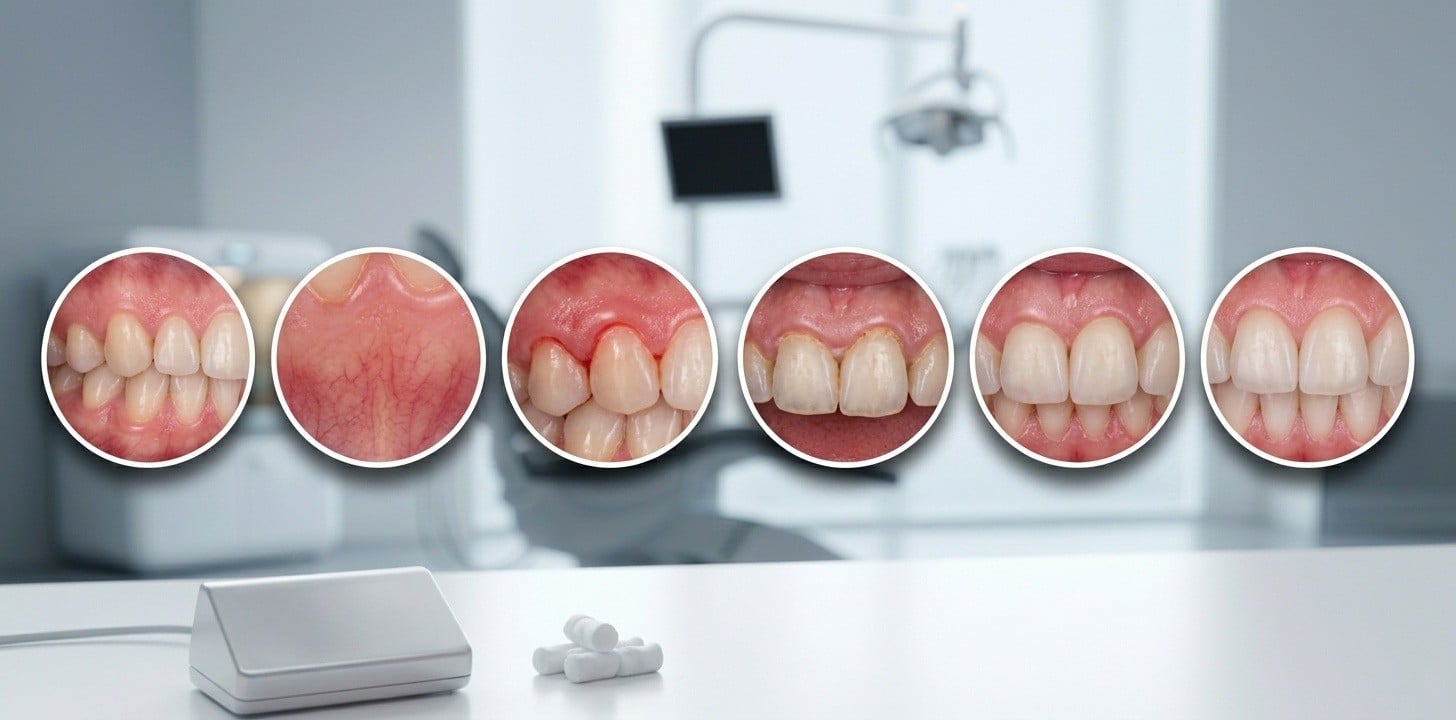
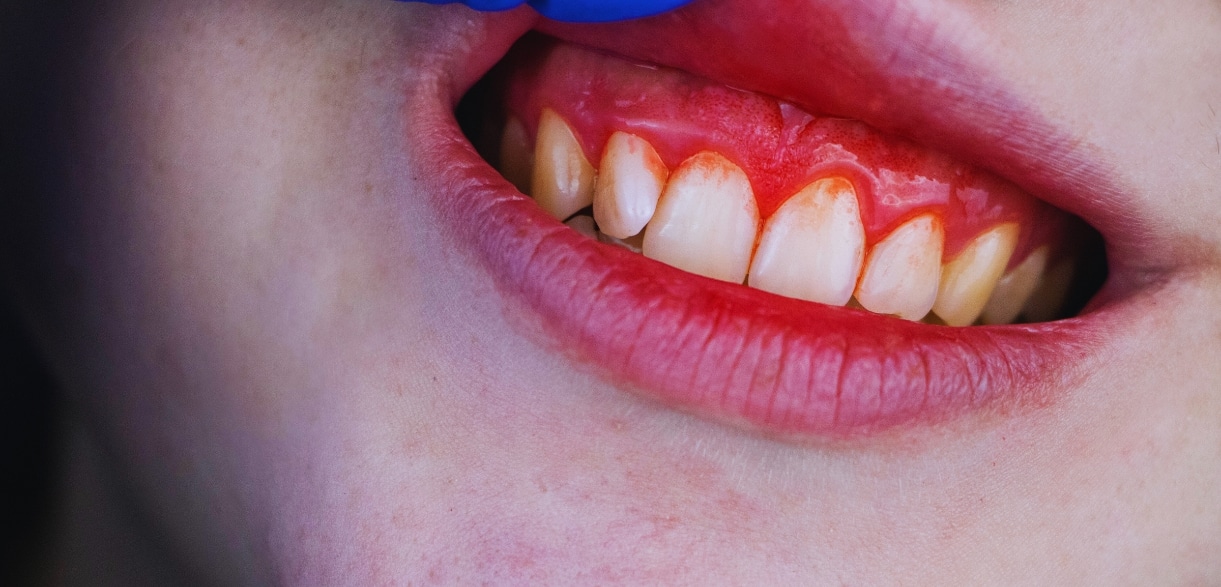
Swollen gums have a way of demanding your attention. Whether it’s a dull throb that makes chewing uncomfortable or a tenderness you notice every time you brush, that puffiness along your gumline is your mouth’s way of signaling that something is off. The good news is that you don’t always need a prescription to find relief in the early stages.
The majority of gum swelling in adults comes down to one primary cause: bacterial plaque that hasn’t been fully removed. When plaque accumulates along and below the gumline, the body responds with inflammation. That inflammation is gingivitis — the earliest and most reversible stage of gum disease. According to the CDC, nearly half of adults aged 30 and older in the United States have some form of gum disease, making it one of the most common oral health conditions in the country. Catching and addressing it early makes a significant difference.
That said, home care only goes so far. It works alongside professional oversight, not instead of it. If swelling persists beyond one to two weeks, worsens, or is accompanied by bleeding that doesn’t improve with better hygiene, that’s a signal to seek care.
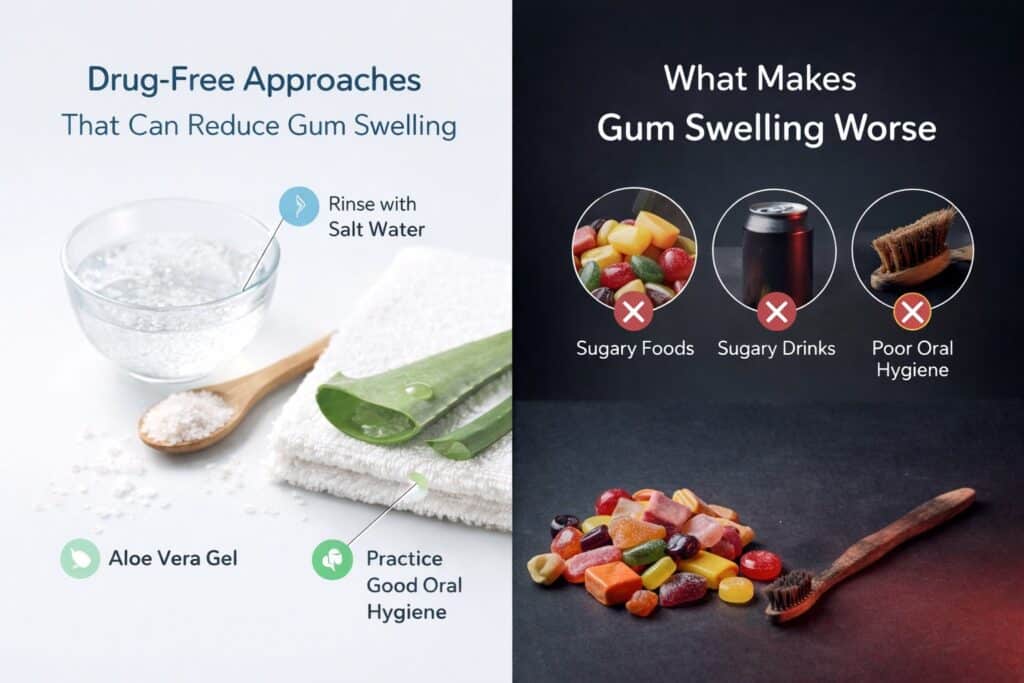
Drug-Free Approaches That Can Reduce Gum Swelling
Before looking at specific remedies, it’s worth understanding what they can and can’t do. The methods below reduce bacterial load, calm tissue inflammation, and support healing — but they don’t replace the professional cleaning that removes hardened tartar below the gumline, which home tools simply can’t reach. Gum treatments at a New Kensington dental office address the root of gum disease in ways that home care supports can’t replicate.
With that context in place, here are the approaches with the strongest evidence.
Warm Saltwater Rinses
This is the simplest intervention and one of the most consistently supported. Salt acts as a natural antiseptic, reducing bacterial concentrations in the mouth and drawing fluid from swollen gum tissue. The osmotic effect helps reduce that puffiness you feel.
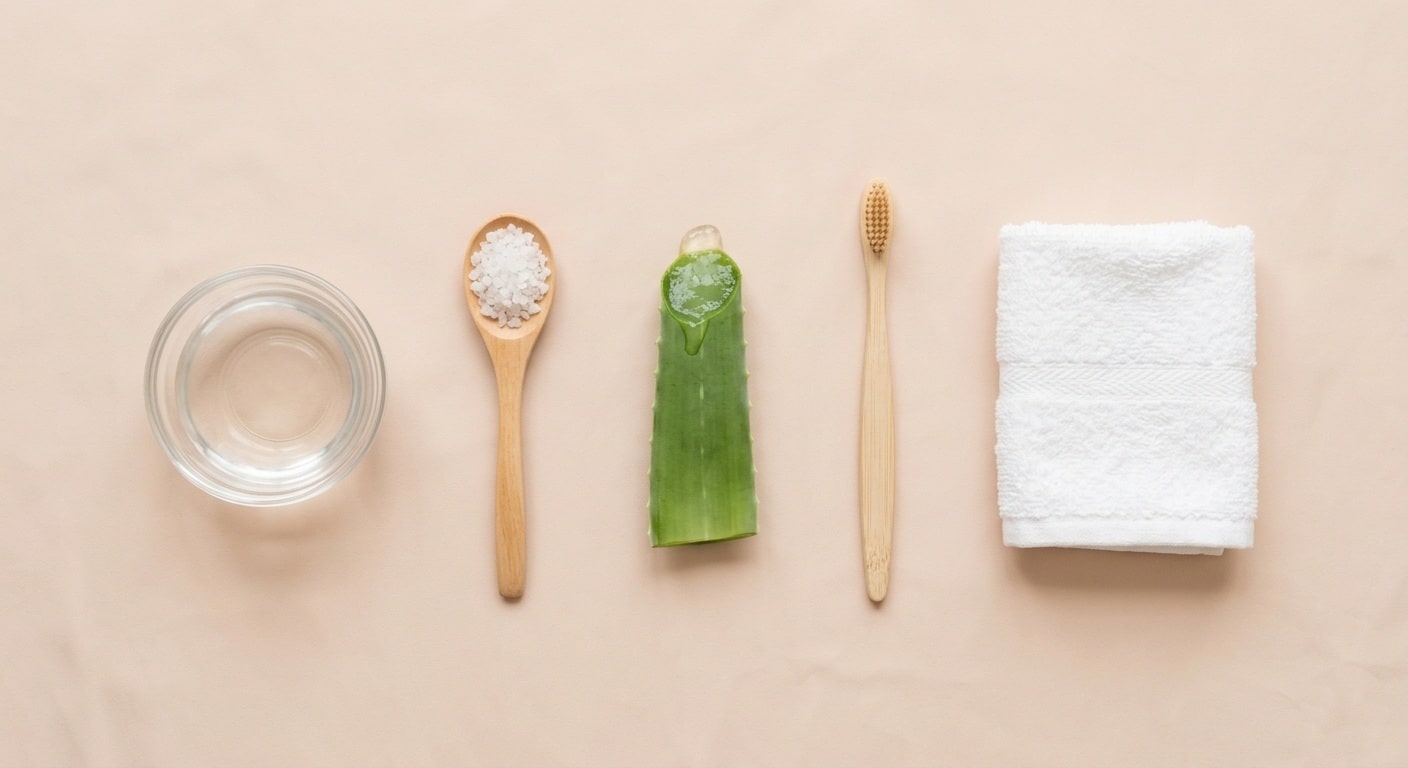
To do it properly: dissolve 1 teaspoon of salt in 8 ounces of warm water, then swish gently for 30 seconds. Spit, don’t swallow. Repeat two to three times a day while swelling is active. One caution: daily long-term use of saltwater rinses can erode enamel over time due to the mixture’s mildly acidic pH. It works well as a short-term measure, not a permanent daily habit.
Cold and Warm Compresses
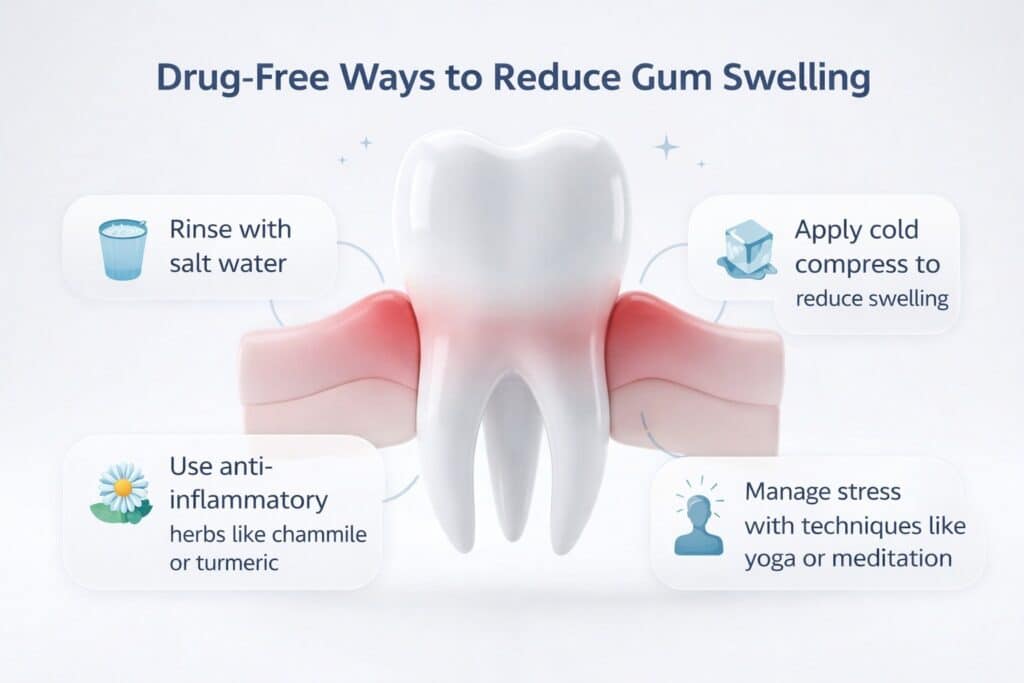
Applying a warm or cold compress to the outside of the jaw can help reduce swelling and ease discomfort, especially when gingivitis is causing noticeable facial tenderness. Alternate between holding a warm cloth against your face for five minutes and using a cold pack for five minutes. Repeat two to three times a day during the first 48 hours of acute swelling.
Turmeric Gel
Curcumin, the active compound in turmeric, has documented anti-inflammatory and antibacterial properties. A 2015 study found that turmeric gel application can help prevent plaque accumulation and reduce gingivitis. You can use a commercially available turmeric gel — apply it to the gumline, leave it for about ten minutes, then rinse thoroughly. Twice daily is enough.
Aloe Vera Mouthwash
An article found that aloe vera juice used as a mouth rinse was as effective as chlorhexidine (a prescription gingivitis treatment) in managing and preventing gingivitis symptoms. That’s a meaningful finding for a drug-free alternative. Use pure, food-grade aloe vera gel diluted in water and swish gently for 30 seconds, twice daily.
Oil Pulling
Oil pulling is an Ayurvedic practice that involves swishing a tablespoon of coconut or sesame oil around the mouth for 15 to 20 minutes before spitting it out. The lipid base of the oil is thought to bind to bacterial cell membranes, reducing the microbial load in saliva and on soft tissue. Several studies suggest it can reduce plaque and gingivitis scores with consistent daily practice. It’s harmless when done correctly.
Vitamin C Support
Vitamin C plays a direct role in the integrity of gum tissue. It’s essential for collagen synthesis, which maintains the strength and structure of gum tissue. A deficiency leads to weakened, more easily inflamed gums. Increasing your intake of vitamin C-rich foods — bell peppers, citrus, strawberries, broccoli, or taking a supplement supports gum healing from the inside out. This isn’t a quick fix, but it addresses a genuine nutritional factor that many people overlook.
What Makes Gum Swelling Worse
Knowing what to avoid matters just as much as knowing what to use.
- Tobacco use — smoking and smokeless tobacco are among the strongest risk factors for gum disease. They reduce blood flow to the gum tissue, impair the immune response, and mask bleeding that signals early gingivitis.
- Mouth breathing — consistently breathing through your mouth dries out gum tissue and creates an environment where bacteria thrive more easily.
- Aggressive brushing — brushing too hard or with a hard-bristled toothbrush causes gum trauma that worsens irritation rather than relieving it.
- Hormonal changes — pregnancy, menstruation, and menopause can all make gums more reactive to bacterial plaque, meaning swelling may flare even with consistent hygiene. This is well-documented and common.
The Hygiene Foundation Everything Else Rests On
No remedy works well without this base in place. Swollen gums almost always improve when brushing and flossing become more consistent and more thorough, and almost always worsen when they don’t.
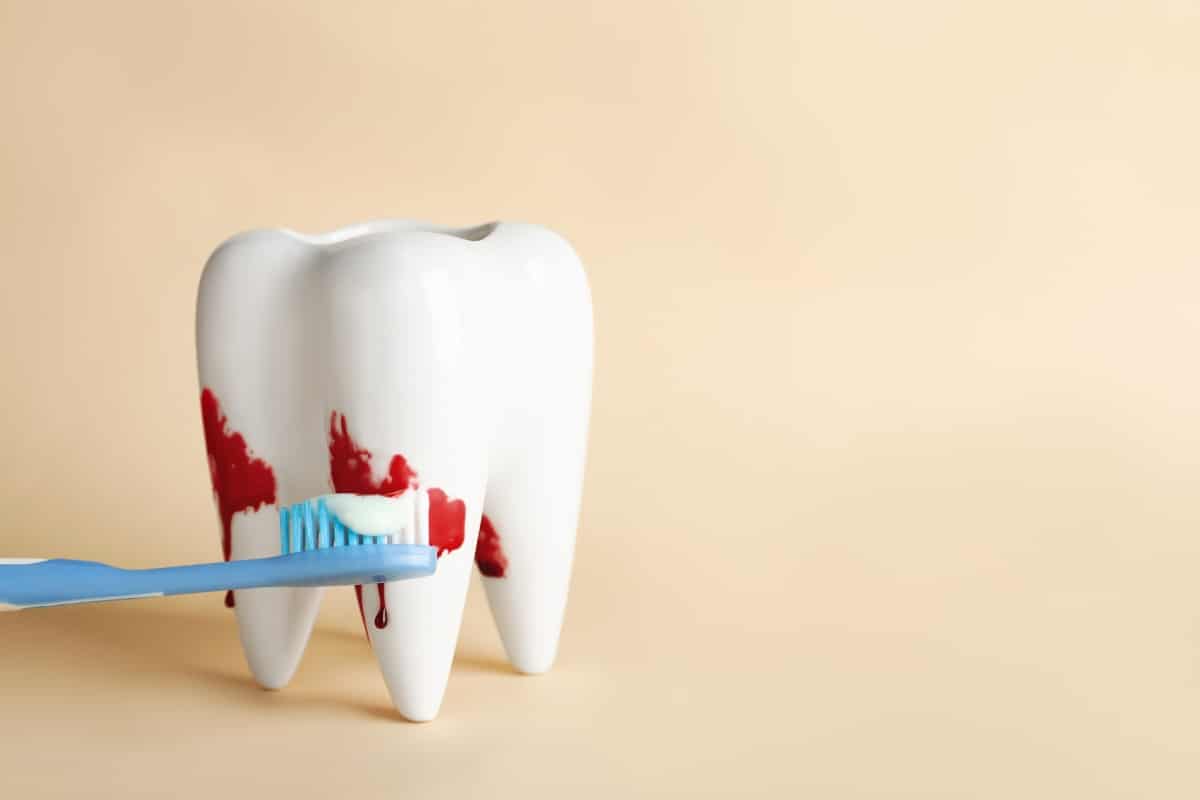
Brush twice daily for two full minutes using a soft-bristled toothbrush and fluoride toothpaste. Angle the bristles at 45 degrees toward the gumline to clear the plaque that collects there. Floss once a day, guiding the floss gently below the gumline rather than snapping it down. If flossing causes significant bleeding, that’s not a reason to stop — it’s a reason to continue, gently, until the tissue heals and firms up. Bleeding that doesn’t improve after two weeks of consistent flossing is a sign that professional care is needed.
When Home Care Isn’t Enough
If gum swelling persists beyond one to two weeks despite consistent hygiene and the approaches above, it’s time to get evaluated. Swelling that doesn’t respond to home care means one of a few things: tartar has accumulated below the gumline and needs to be physically removed, the gum disease has progressed beyond gingivitis to periodontitis, or there’s an underlying cause — hormonal, systemic, or medication-related that home care can’t address.
Book an appointment at Pearl Dentistry of New Kensington for a professional evaluation. Same-day appointments are often available for patients dealing with active gum discomfort.
People Also Ask
Q: Can stress cause gum swelling even with good oral hygiene?
Yes. Chronic stress raises cortisol levels in the body, which suppresses immune function and makes gum tissue more susceptible to bacterial inflammation. People experiencing prolonged stress often develop gum symptoms even when their brushing and flossing habits haven’t changed. Addressing the underlying stress through sleep, exercise, or counseling is part of a complete picture of gum health.
Q: Is it normal for gums to swell during pregnancy?
Yes. Pregnancy gingivitis affects a significant portion of pregnant women due to hormonal changes, such as elevated progesterone, that make gum tissue more reactive to plaque. The inflammation often begins around the second month of pregnancy and peaks around the eighth. Maintaining consistent oral hygiene and scheduling a dental checkup during pregnancy are both recommended by the American Dental Association.
Q: Can a single tooth with gum swelling be a sign of an abscess rather than gingivitis?
Yes, and this distinction is important. When the gum around only one tooth swells rather than along the gumline, a periapical or periodontal abscess is a more likely explanation than gingivitis. Abscesses are localized bacterial infections that cause more intense, persistent pain — sometimes accompanied by a visible bump or pimple on the gum tissue. This is not something home remedies can resolve; it requires a same-day dental evaluation.
Q: Does mouthwash help with gum swelling, or is it just for breath?
Antimicrobial mouthwashes containing cetylpyridinium chloride or essential oils (like those found in Listerine-style rinses) have clinical support for reducing plaque and gingivitis when used as an adjunct to brushing and flossing, not as a substitute. Alcohol-based mouthwashes can irritate already-inflamed tissue; if your gums are swollen and sensitive, an alcohol-free formula is a gentler choice.
Q: How long does it take for swollen gums to return to normal with consistent home care?
For early-stage gingivitis caught before any bone loss, consistent brushing, flossing, and rinsing can produce visible improvement in seven to fourteen days. Full recovery of healthy gum tone and color takes three to four weeks. If symptoms aren’t improving meaningfully within two weeks, a professional cleaning and evaluation is the logical next step.